










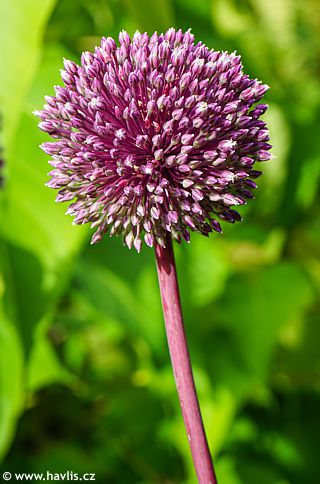
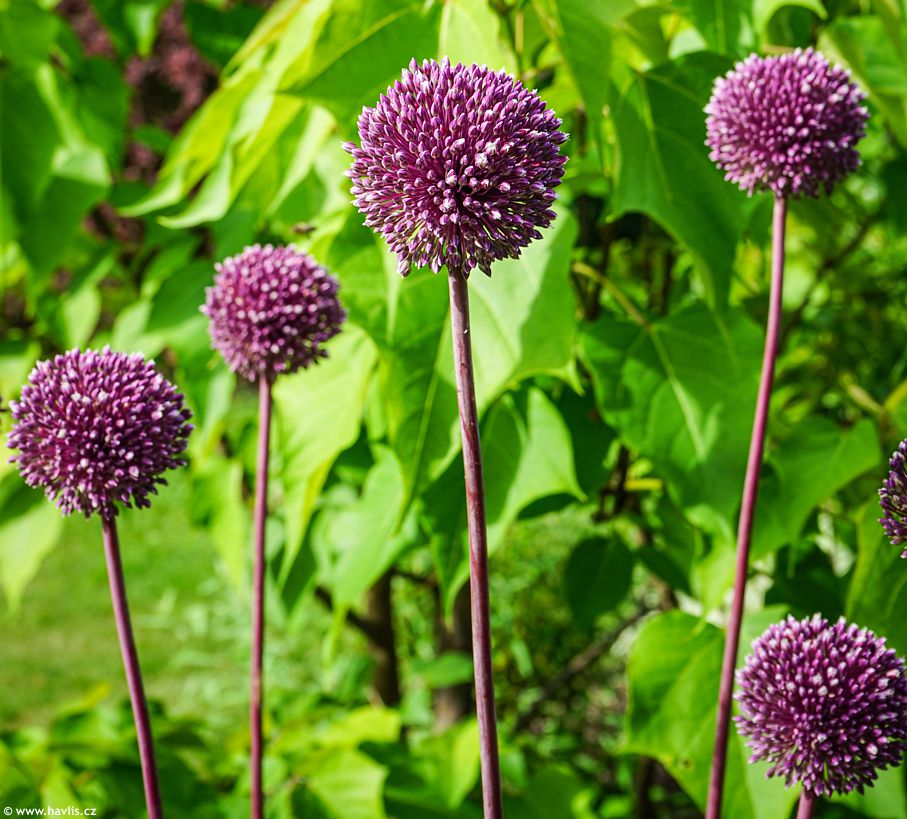
Allium 'SUMMER DRUMMER' ornamental onion

 Symbivit Tric (arbuscular)
 Symbivit (arbuscular)
Allium
Ornamental onion is an attractive bulbous perennial commonly found all around mountainous regions of northern hemisphere. Most sought-after varieties are those with huge globular inflorescence in mid spring, yet there are others that bloom in the middle of summer offering handsome foliage all season round.
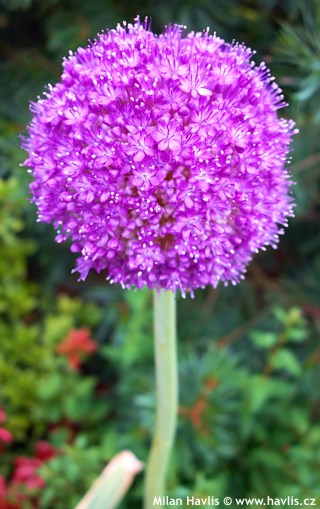
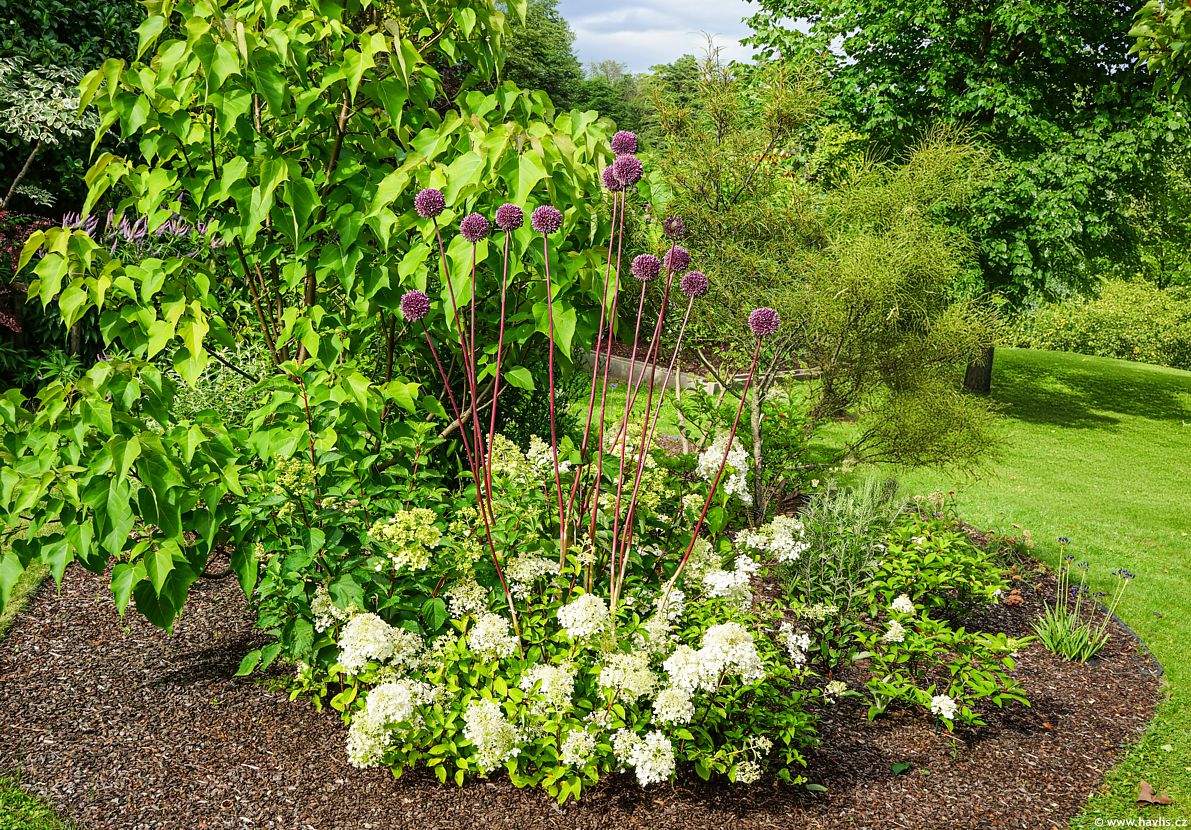
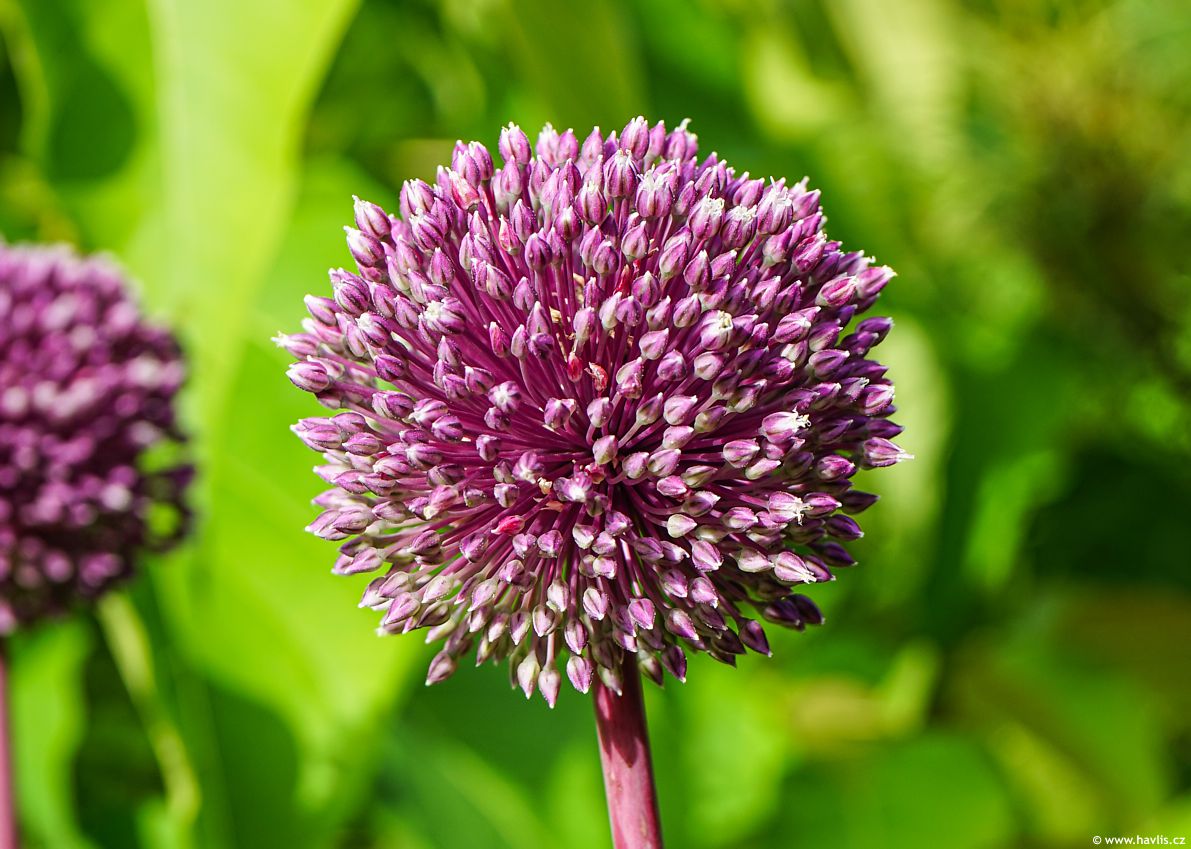
Summer Drummer is a fantastic variety of ornamental onion, one of the tallest available who size can only compete with a. giganteum, i.e., a spring flowering species. But Summer Drummer has an important benefit � it is a summer bloomer making a great show after all other spring onions have gone dormant. It makes 8-9 cm wide, spherical inflorescences on strong, dark purple stems that can grow up to two meters (or more with heavy fertilizing) and withstand common winds without breaking once established. Individual flowers are purple on the outside and glow in the bed for about 2 weeks before opening to their final stage when they show almost white margins and stamens. Flowering begins in late June and lasts until mid-summer.
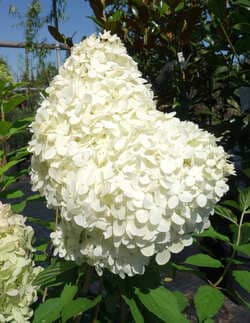
It is a hybrid of a. stpitatum and in spring makes medium large, fleshy leaves, which gradually dry up as soon as the flower buds are formed and rise atop the stems towards the sun. The stems heights predispose Summer Drummer to become an important feature of tall perennial beds where you can also use it among tall grasses that, by the time of this onion�s flowering period, have not yet reached their ultimate height and therefore will not hide the flowers. Or do what we have done: combine it with white or pink panicle hydrangeas where it also looks great and makes a softer perennial touch contrasting greatly with a woody framework of shrubby hydrangeas.
Last update 07-07-2024
Large-flowered ornamental onions need very well-drained soil or sand-based loam, and location in full sun. Avoid soils that remain wet especially when the plant is dormant. Should you have no other choice dig up the plant in midsummer, and plant it in a pot that is kept away from excess rain until early spring when it can be transplanted to the ground again, now with new roots that developed in the pot during dormancy. The bulb should be at least 5 cm or better 10 cm below the ground level. The stems are strong enough to withstand common weather caprices, however, open and exposed locations (windy seaside, large open fields, smooth mountain slopes etc.) are not recommended. In spite of the garlic/onion smell no part of the plant is edible. Hardy to about. -34�C (USDA zone 4).