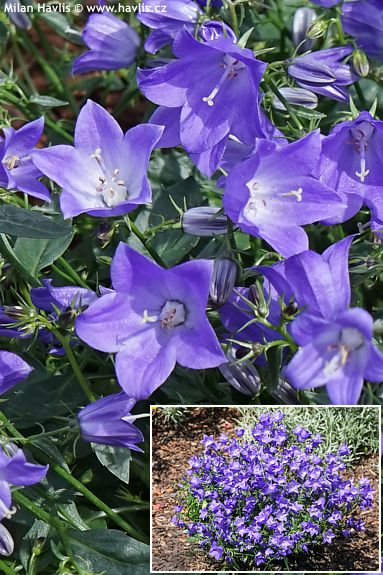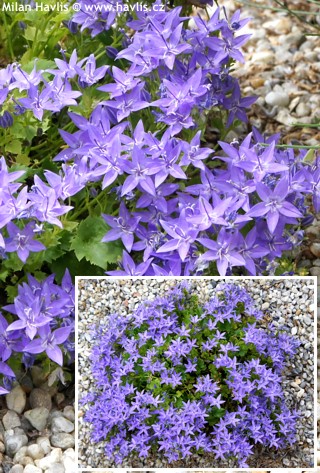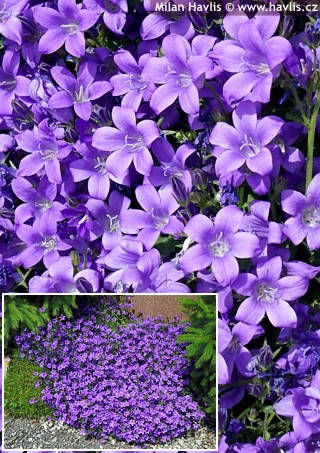











Campanula portenschlagiana 'BLUEONE'® Dalmatian bellflower

 Symbivit Tric (arbuscular)
 Symbivit (arbuscular)
Campanula
Rod Campanula pat�� k nejrozs�hlej��m a z�rove� nejkulturn�ji zako�en�n�m rod�m evropsk� fl�ry. Zahrnuje p�ibli�n� 300 a� 500 druh� v z�vislosti na pojet� autor�, p�i�em� nejv�t�� diverzita se soust�e�uje v oblasti St�edomo��, Balk�nu a horsk�ch p�sem Evropy a z�padn� Asie. Rod popsal Carl Linn� (1707�1778) v roce 1753 ve sv�m z�sadn�m d�le Species Plantarum, kde ji� tehdy upozornil na mimo��dnou variabilitu tvar� i r�stov�ch strategi�. Zvonky prov�zej� �lov�ka po stalet� nejen jako okrasn� rostliny, ale i jako sou��st lidov� symboliky, kde zvonkovit� kv�t evokoval hlas, svol�v�n� a ochranu. Genetick� studie ukazuj� na starobyl� p�vod a opakovan� adaptace na extr�mn� stanovi�t�, od alp�nsk�ch sut� po such� v�pencov� str�n�.
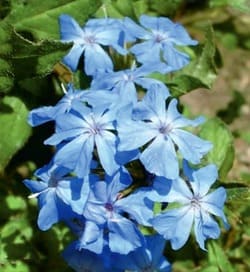
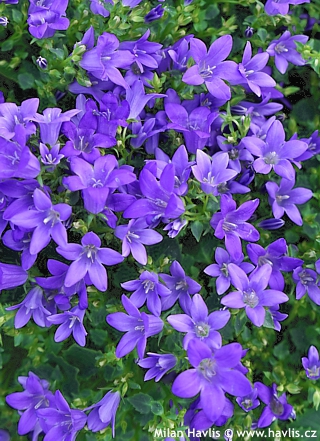
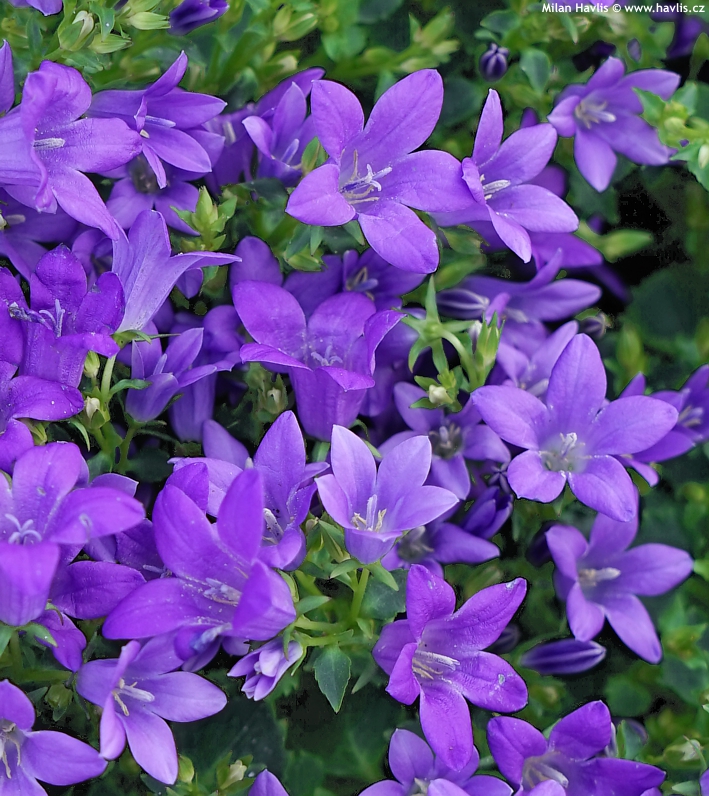
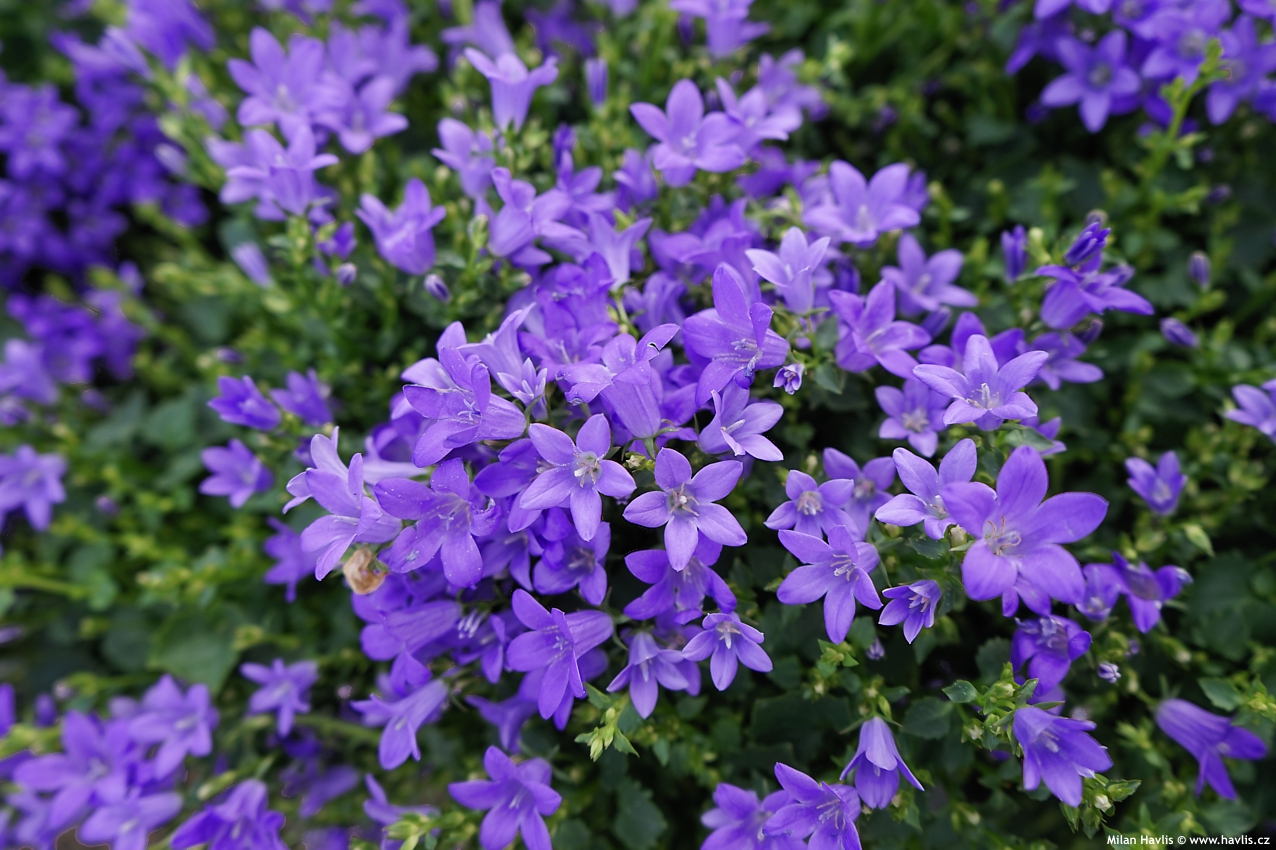
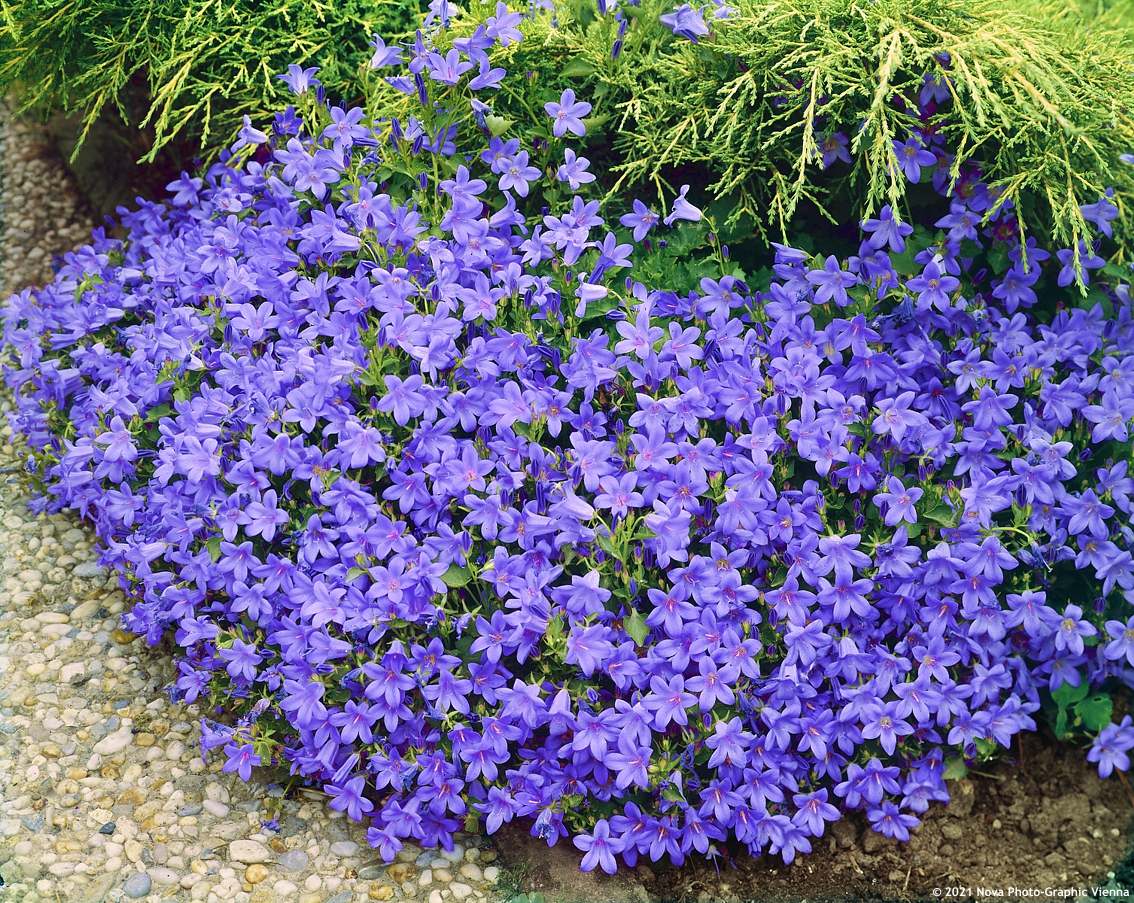
BlueOne� bellflower belongs to the Tendenza� series. It is an evergreen perennial with small, rich violet, narrowly funnel-shaped flowers from early summer until late autumn, or even early winter if its beginning is mild. The colder the weather the darker the flowers. Leaves are broadly heart-shaped or kidney-shaped, dark green, unevenly serrated. Plants grow quite fast and quickly form low but erect cushions. After the main flowering phase (July) shear the plant to about half its height to encourage formation of new stems, fresh foliage, and of course plenty of new flowers.
Last update 01-11-2021
Dalmatian bellflower prefers a sunny location and will also live in partial shade with less flowers. It has no special soil requirements, its just has to be free draining and evenly moist. A lot of amateur gardeners consider all small bellflowers rock plants but many of them, including this one, need consistent moisture to thrive. In spring cut back the whole plant and feed it from mid spring if you want a profusely flowering clump. It is very hardy and withstands at least -35�C (USDA zone 4) in open ground where it performs much better than stuffed in a small pot. BlueOne� bellflower is recommended for both outdoor and indoor cultivation.