










TRICHODERMA - Trianum G Soil biostimulant with antifungal activity
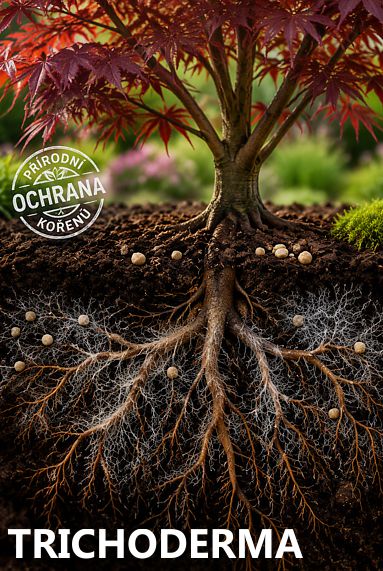
Trichoderma is a beneficial soil fungus that naturally occurs in forests, compost and the soil surrounding healthy plants. In nature it helps keep root systems in good condition by limiting the spread of certain harmful fungi and by creating a biologically active environment around the roots.
In gardens, however, plants are often weakened by planting, transplanting, waterlogging, prolonged drought or sudden weather changes. Under such conditions, soil-borne pathogens can multiply rapidly and attack the roots, reducing the plant�s ability to absorb water and nutrients.
Trianum G contains the selected strain Trichoderma harzianum T-22. After application, it colonises the root zone and forms an active network of fungal growth. By occupying space around the roots, it helps restrict the development of harmful fungi that might otherwise establish themselves there. At the same time, it promotes the formation of new roots, improves water and nutrient uptake, and helps plants establish more quickly while coping better with stress caused by drought, transplanting or unfavourable soil conditions.
Below you will find an overview of plants that are most commonly affected by four important soil-borne pathogens, together with the situations in which these problems are most likely to occur. If a plant is already showing signs of damage, we recommend consulting reliable horticultural references or a plant health specialist before application to confirm that Trianum G is an appropriate solution.
Trianum G can be used alongside mycorrhizal fungi without concern. Each of these beneficial microorganisms supports plants in a different way, and together they help create a healthier environment for root growth and regeneration.
Application:
- Remove any mulch and the top layer of soil above the root zone.
- Evenly distribute the granules over the root area of the plant.
- Lightly incorporate them into the upper layer of the soil.
- Water thoroughly to activate the growth of the Trichoderma fungus.
- Cover with a 2-3 cm layer of substrate and replace the mulch.
- Keep the soil surface consistently moist for at least 3 weeks.
- Avoid using fungicides for several days before and after application, as they may reduce the viability of Trichoderma.
- In heavy, degraded or biologically poor soils, a repeat application after 6-8 weeks is recommended.
APPLICATION RATES
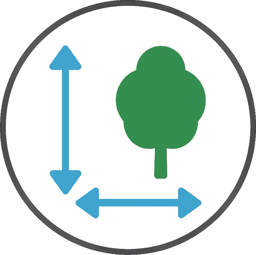
| Plant Height | Recommended Dose |
|---|---|
| 0-40 cm (young seedlings, small shrubs) | 5-10 g |
| 40-80 cm (young shrubs, recently planted specimens) | 10-15 g |
| 80-120 cm (young trees, larger shrubs) | 15-20 g |
| 120-180 cm (medium-sized woody plants) | 20-30 g |
| 180-250 cm (larger trees) | 30-40 g |
| Over 250 cm (mature woody plants) | 40-60 g |
Examples of Use on More Susceptible Woody Plants
| Botanical Name | Common Name | High-Risk Pathogen | When to Apply |
|---|---|---|---|
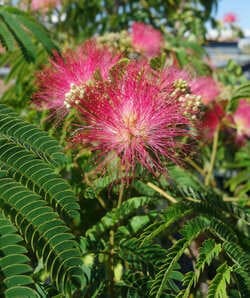
| Albizia julibrissin | Silk tree | Fusarium oxysporum | Warm soils, plant stress, root collar damage, waterlogging |
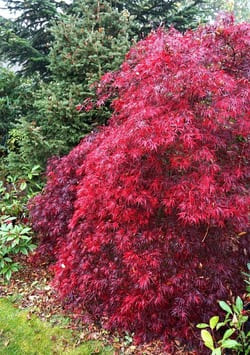
| Acer palmatum (especially red-leaved and coloured-bark cultivars) | Japanese maple | Verticillium dahliae | Heavy soils, fluctuating moisture levels, after transplanting |
| Acer spp. (less commonly) | Maples | Verticillium dahliae | Compacted soils, alternating dry and wet conditions, root damage |
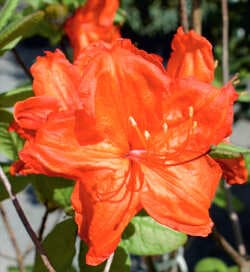
| Azalea | Azalea | Phytophthora spp., Pythium spp. | Waterlogging, unsuitable pH, after transplanting |
| Camellia japonica | Japanese camellia | Phytophthora spp., Pythium spp. | Waterlogging, heavy growing media, root damage, container cultivation |
| Catalpa bignonioides (especially 'Nana') | Indian bean tree | Verticillium dahliae | Heavy clay soils, waterlogging, planting stress |
| Cotinus coggygria (especially purple-leaved cultivars) | Smoke bush | Verticillium dahliae, Fusarium spp. | Root damage, fluctuating moisture, heavy soils |
| Eucalyptus gunnii | Cider gum | Pythium spp., Phytophthora spp. | Waterlogging, poor drainage, heavy soils |
| Fraxinus excelsior (less commonly) | European ash | Verticillium spp., Fusarium spp. | Plant stress, compacted soils, root damage |
| Hydrangea spp. (less commonly) | Hydrangea | Fusarium spp. | Waterlogging, poor drainage, heavy growing media |
| Juglans regia | English walnut | Verticillium dahliae | Warm soils, alternating drought and waterlogging, root damage |
| Koelreuteria paniculata (less commonly) | Golden rain tree | Verticillium dahliae | Transplant stress, heavy soils, fluctuating moisture levels |
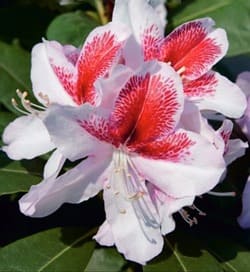
| Rhododendron | Rhododendron | Phytophthora spp., Pythium spp. | Waterlogging, heavy soils, poor drainage, winter damage stress |
| Rosa spp. (less commonly) | Roses | Fusarium spp. | Weakened plants, waterlogging, declining soil conditions |
| Styphnolobium japonicum (especially 'Pendula') | Japanese pagoda tree | Fusarium spp. | Young plants, root damage, hot summer conditions |
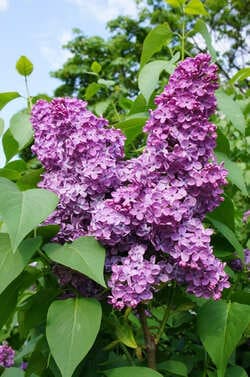
| Syringa vulgaris (less commonly) | Common lilac | Verticillium dahliae | Heavy soils, waterlogging, sudden branch wilt |
| Thuja, Chamaecyparis, Juniperus | Arborvitae, false cypresses and junipers | Pythium spp., Fusarium spp. | Waterlogging, poor drainage, compacted soils |
| Tilia cordata (less commonly) | Small-leaved lime | Verticillium spp., Fusarium spp. | Compacted urban soils, waterlogging, environmental stress |

Goods are shipped all over Europe. For Russia and U.K. and for further details please read about SHIPPING OPTIONS HERE.
Are you interested in a serious discount for orders NOV-FEB? Check your options here.
THE PRICES INCLUDE VAT of 15%. For quick conversion you can use 1 CZK = approx. 0.04 EUR
- STANDARD QUALITY - Plants of this group are 1st class quality with number of branches and overall density adequate to their size and age, considering they were container grown.
- DE LUXE QUALITY - This label guarantees a luxurious quality of manually selected plants that, compared to their height and age, are exceptionally dense and beautiful.
- EXTRA - These plants are usually mature and bigger specimens with exceptional overall appearance.
- STANDARD (as described in the plant form) means a tree with a trunk of 190-210 cm and a crown at the top, unless specified differently. The commercial size for trees is their girth measured in the height of 1m from ground.
- HOBBY - These plants are of the same quality as our standard-quality plants but younger and therefore cheaper.
- SHRUB - a woody plant with branches growing bushy from the ground level.
- HALF-STANDARD or MINI-STANDARD - a small tree with shorter trunk, its size is usually specified.
- FEATHERED - These are trees with branches growing already from the base of the trunk and up along the stem.
- GRASSES and PERENNIALS - Sizes given usually read the diameter of the pot or the clump, as specified.
