










CURRENTLY IN STOCK:
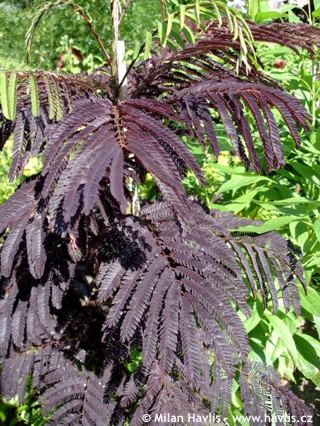
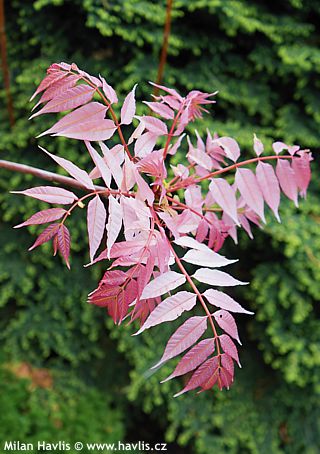
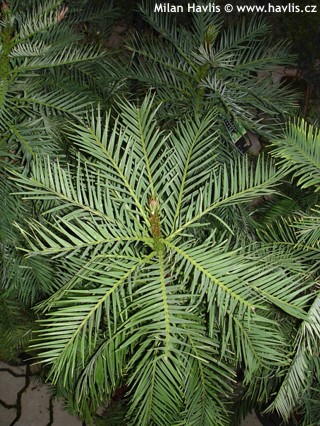
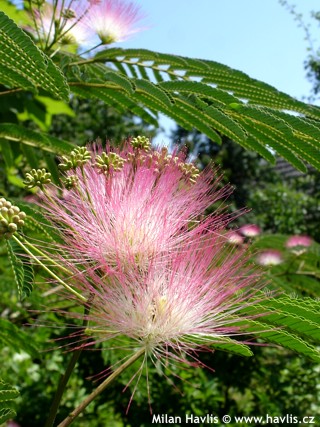
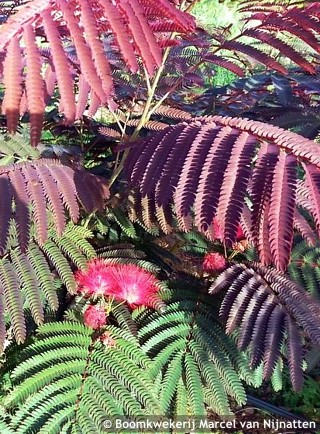
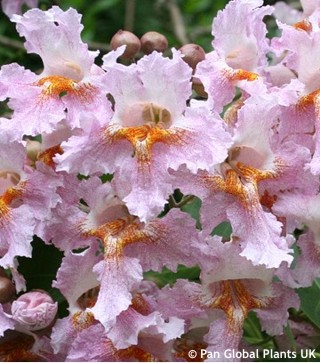
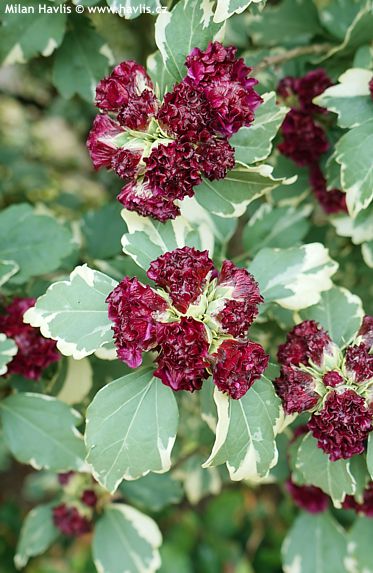
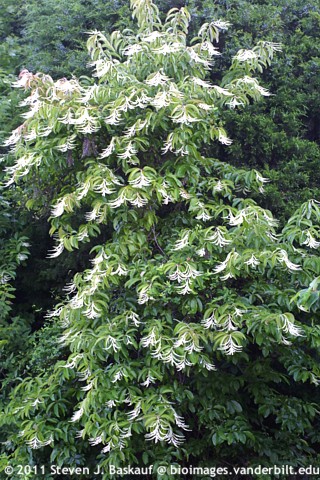
A spectacular new variety of silk tree comes from Japan and is called Summer Chocolate®. It was discovered in 1990 as a seedling in a controlled planting of Albizia julibrissin in 1990. It was patented in the USA under PP 13,822 in 2003. It is considered a rarity for lovers of exotic-looking pl ...

VII - VIII

2 - 5m

2 - 5m

full sun

6b (down to -21�C)

for zone 5+6

for zone 7
.jpg)
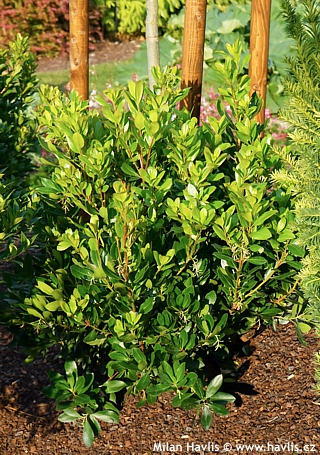
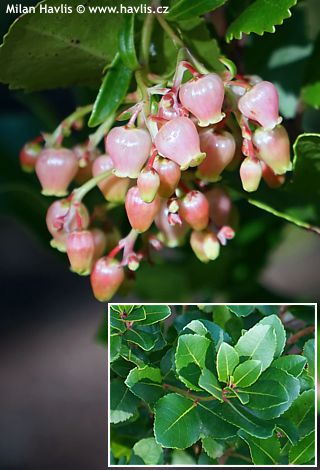
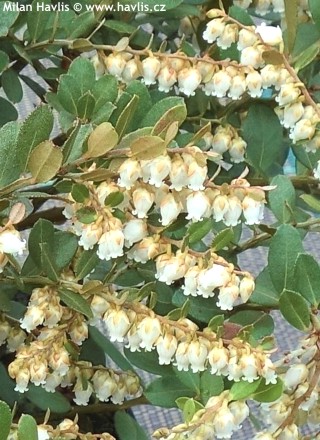
Quercifolia is a rare, collector�s selection of strawberry tree that differs from the species in both leaf shape and growth habit. The epithet Quercifolia is common in botanical usage and means �oak‑leaved�; also here it refers to the unusual leaf form, which bears several shallow notches towa ...
XI - XII
1,5 - 4m
1,5 - 4m
full sun
6 (down to -23�C)

for zone 5+6
for zone 7
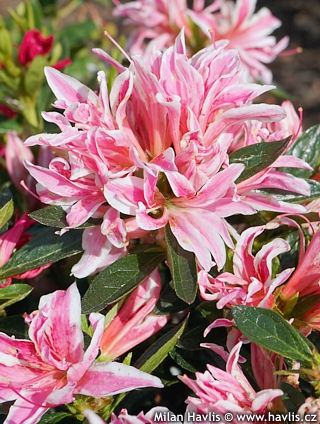
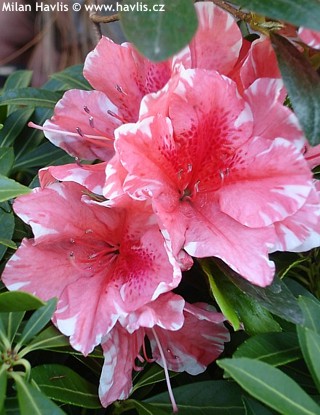
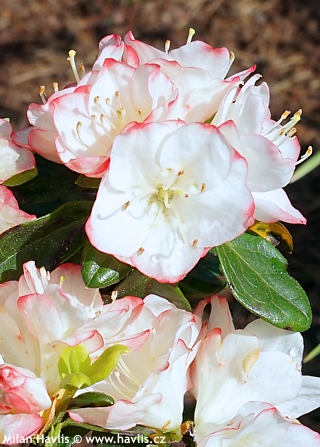
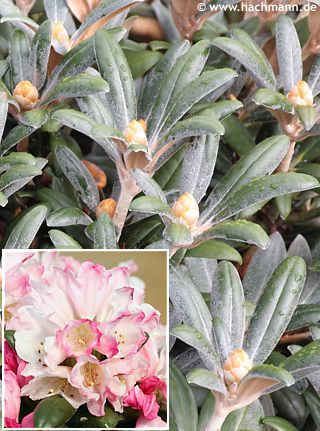
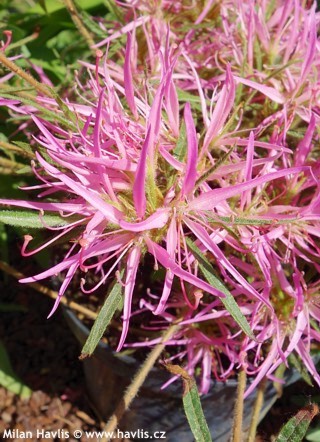
Pink Spider is a fabulous Japanese azalea for collectors who obviously do not suffer from arachnophobia. This exotic looking jewel produces semi-double flowers with narrow, acuminate flower petals. They are bright pink with purple pink dotting and white margins. They open in profusion from about mid ...
V
0,6 - 0,8m
0,6 - 1m

semi-shade / partial sun
7a (down to -18�C)
for zone 5+6
for zone 7
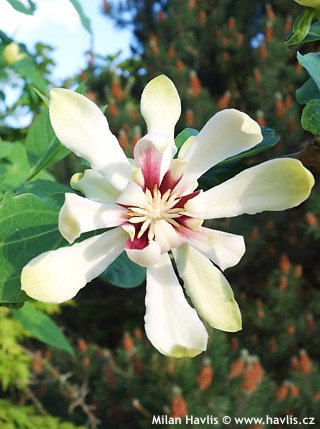
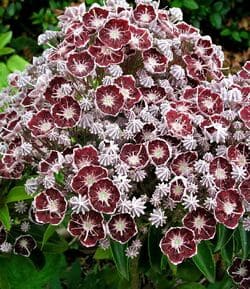
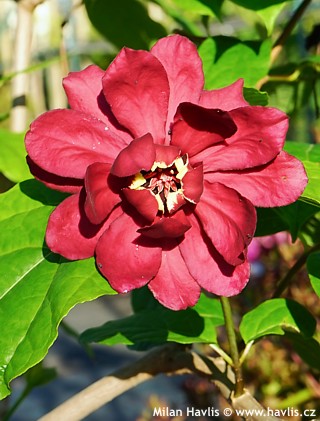
Venus is one of the fascinating inventions which followed Richard Hartlage’s breakthrough with hybridizing sweetshrub species in early 1990’s. This variety was bred by Dr. Thomas Ranney of the Mountain Horticultural Crops Research Station in Fletcher, NC, USA, and patented in 2005 under ...
V - VII
1,5 - 2,5m
1 - 1,5m

full to partial sun
6 (down to -23�C)
for zone 5+6
for zone 7
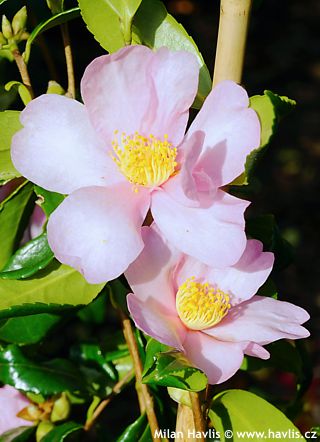
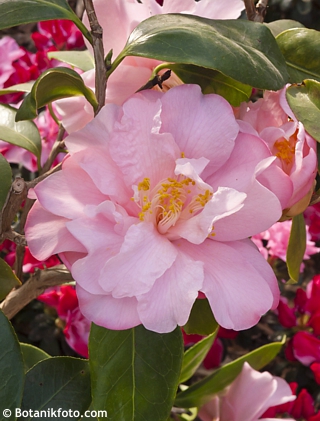
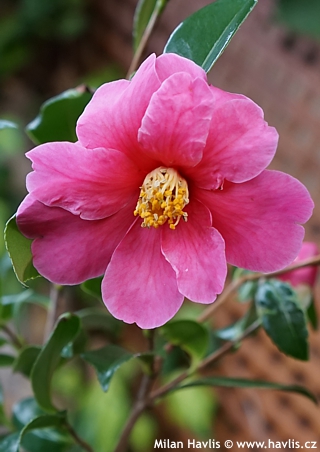
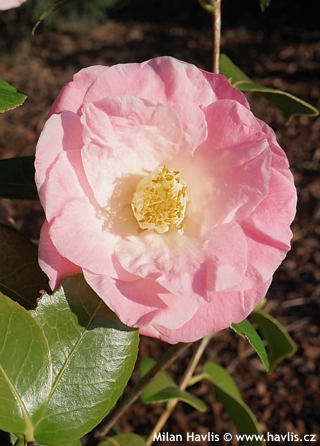
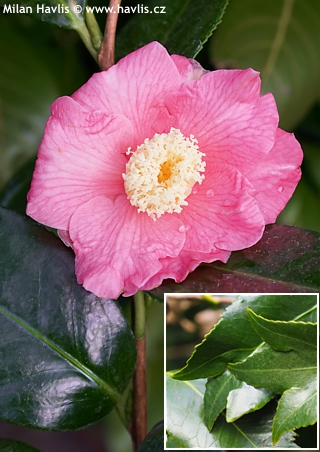
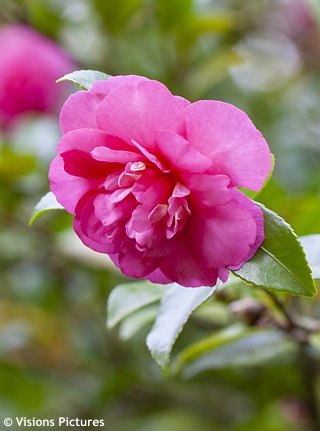
Ashton�s Pride is an autumn flowering camellia from the Ashton series bred by dr. Ackerman. It is a cross between a very hardy species camellia oleifera (cv. Plain Jane) and camellia sasanqua (cv. Santozaki). It produces medium large, 6-8 cm wide, soft pink, single flowers with yellow ...
IX - XI
1,5 - 2,5m
1,5 - 2,5m

semi-shade to shade
6b (down to -21�C)
for zone 5+6
for zone 7
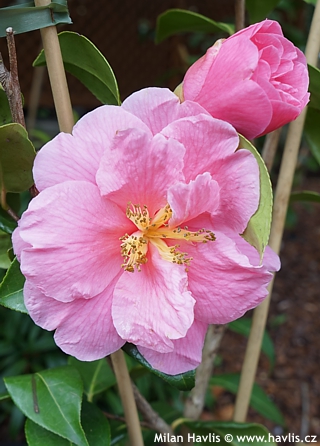
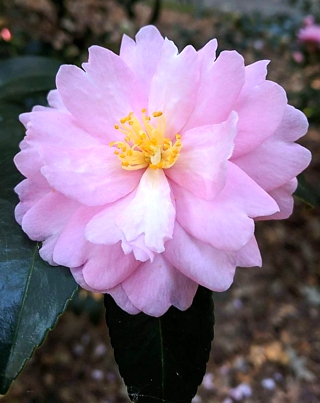
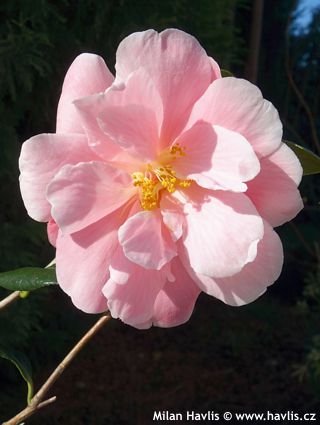
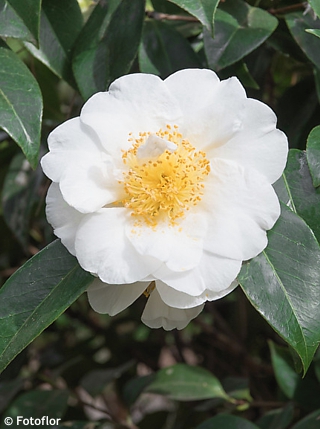
Ice Follies is a spring flowering hardy camellia from dr. Ackerman that first flowered in 1984 and was registered in 1992. It is a cross between c. x williamsii �November Pink� and c. oleifera. It produces large, 10-12 cm across, semi-double flowers. They are soft pink with a bit darker pink veins. ...
IV - V
2 - 3m
1,3 - 1,5m
semi-shade to shade
6 (down to -23�C)
for zone 5+6
for zone 7
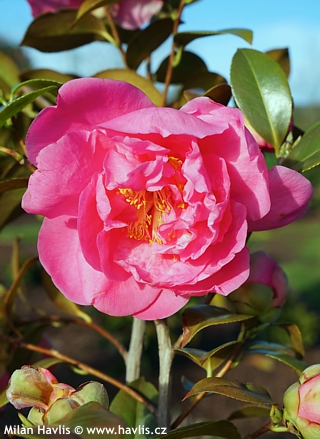
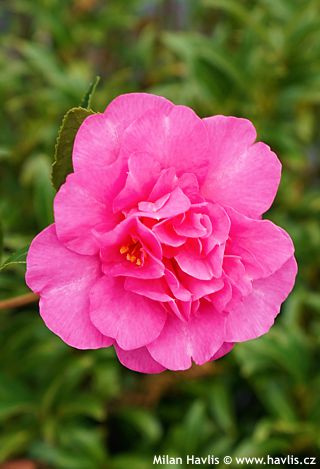
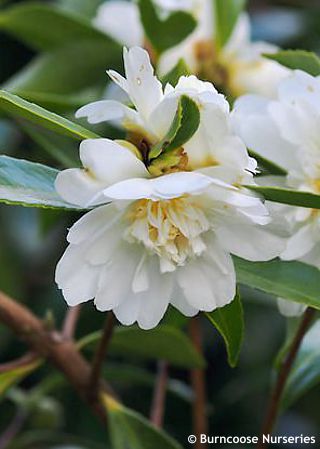
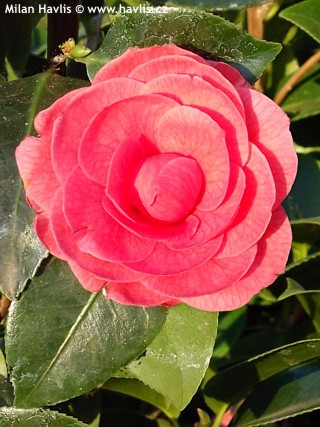
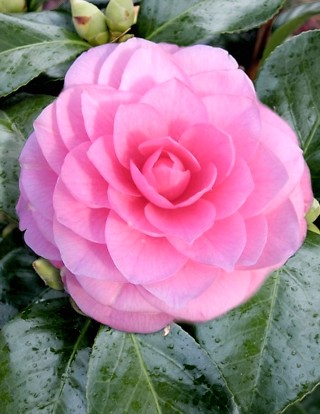
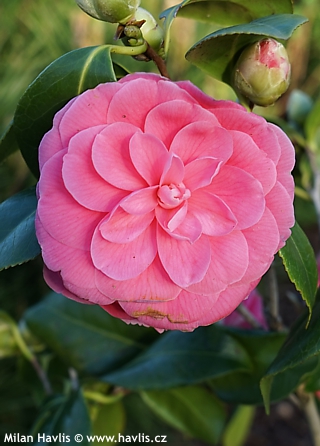
Spring Frill is a spring flowering hardy camellia from dr. Ackerman that first flowered in 1985 and was registered in 1992. It is a cross between c. oleifera �Plain Jane� and c. vernalis �Egao�. It produces large, 10-12 cm across, rose-like, double flowers with 34 frilled, rose-pink p ...
IV - V
2 - 3m
1,3 - 1,5m
semi-shade to shade
6 (down to -23�C)
for zone 5+6
for zone 7
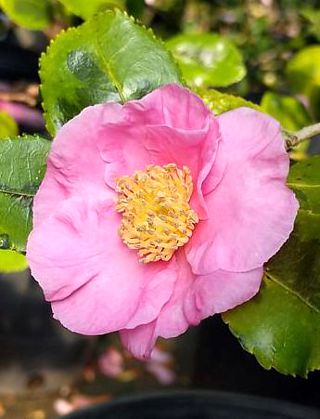
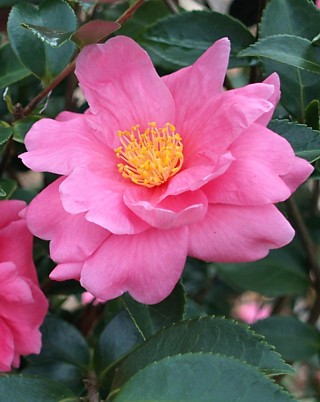
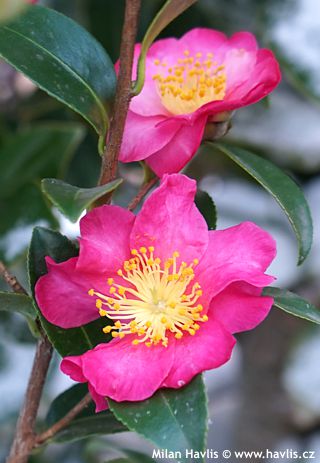
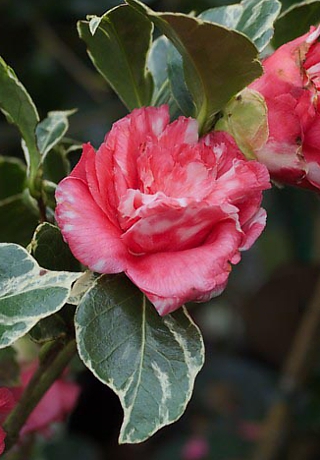
Winter�s Sunset is an autumn flowering camellia from the Winter series bred by dr. Ackerman. It is one of the very rare varieties with variegated foliage. It produces small, bright pink, single, non-fragrant flowers with numerous yellow stamens in the centre from late October for 4-6 ...
X - XI
1,5 - 2,5m
1,5 - 2m
semi-shade to shade
6b (down to -21�C)
for zone 5+6
for zone 7
.jpg)
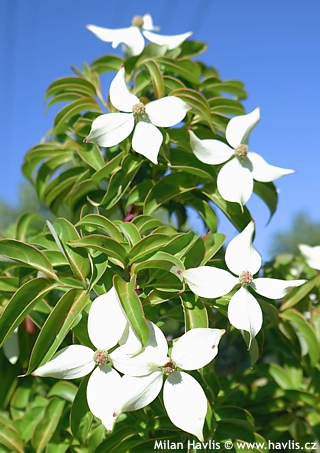
Empress of China Chinese dogwood stands out above all for its abundant and reliable flowering on a fully leaved, evergreen plant. It produces striking, snow‑white bracts approximately 6�8 cm across, appearing in great numbers and creating an exceptionally clean, almost porcelain‑like eff ...
VI - VII
3 - 5m
3 - 4m
full sun
6b (down to -21�C)
for zone 5+6
for zone 7
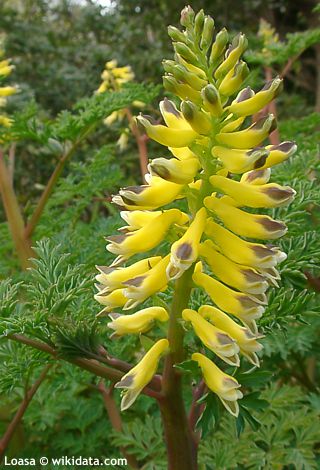
Japanese fernleaf corydalis is a bit of a soloist among corydalis because unlike its sisters this one does not bloom in blue but yellow. It is a self-seeding biennial or short-lived perennial from the poppy family and it is quite variable in size and habit. Its natural habitat are sandy and coastal ...
V - VII
0,2 - 0,6m
0,3 - 0,4m
full to partial sun
5b (down to -27�C)
for zone 5+6
for zone 7
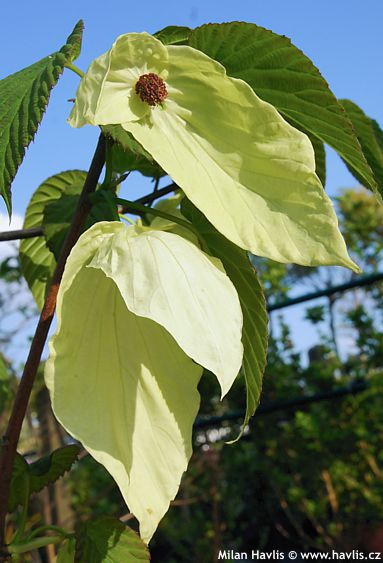
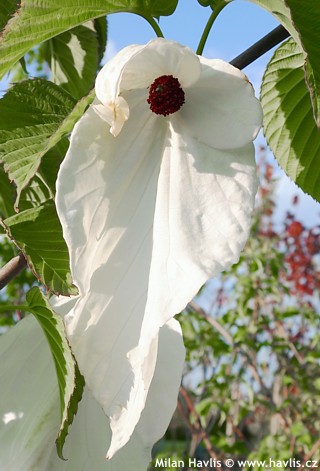
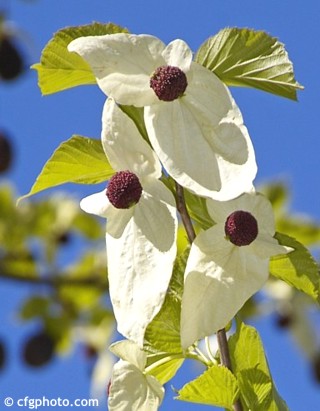
Sonoma is a smaller, garden‑friendly form of Davidia that will not overwhelm a garden with its size yet offers flowers much earlier and often in greater abundance. The true flowers are arranged in a small, rounded inflorescence of inconspicuous green florets with wine‑red stamens, surrou ...
V - VI
4 - 6m
2 - 4m
full to partial sun
5b (down to -27�C)
for zone 5+6
for zone 7
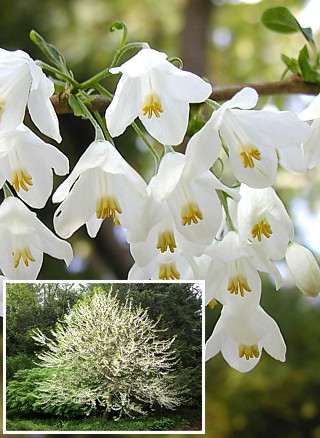
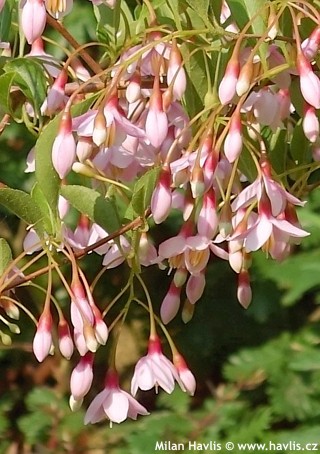
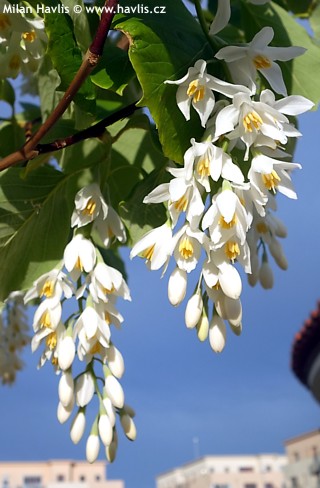
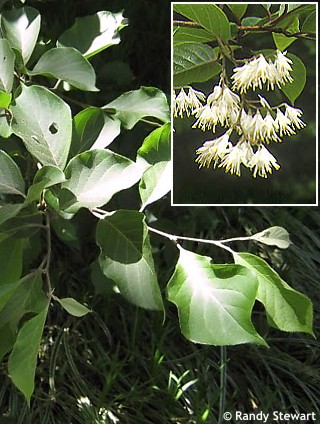
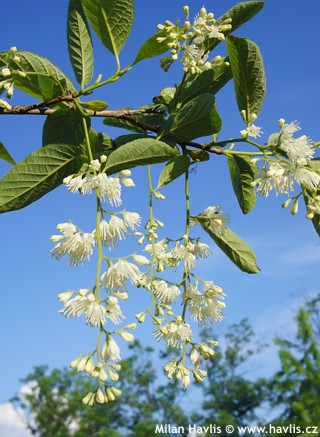
Silver bell is a gorgeous shrub whose other name is probably even more accurate: snowdrop tree. Its origin is SE USA and it is still quite rare in Europe although it is easy to grow and hardy.
Silver bell is cultivated mostly for its snow-white bell-shaped flowers produced in masses in late April a ...
IV - V
4 - 7m
3 - 4m
full sun
5 (down to -29�C)
for zone 5+6
for zone 7

Pretty Ellen� Yellow Spotted Gold is a fantastic Lenten rose cultivar that stands out not only for its unusually buttery yellow sepals. Its true distinction lies in the rich golden-yellow nectaries deep within the throat of the flower, forming a radiant ring around the stamens and ovary. Combined wi ...
II - IV
0,3 - 0,5m
0,3 - 0,4m
semi-shade / partial sun
4 (down to -34�C)
for zone 5+6
for zone 7
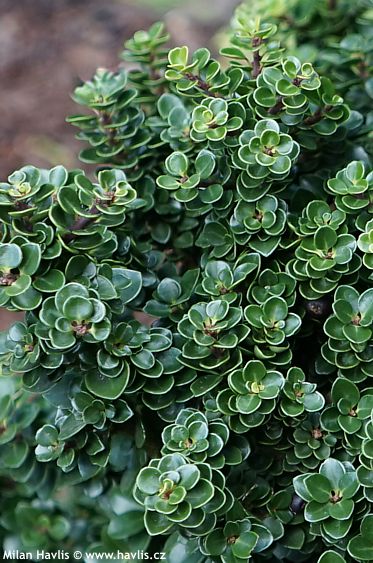
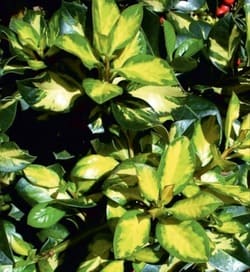
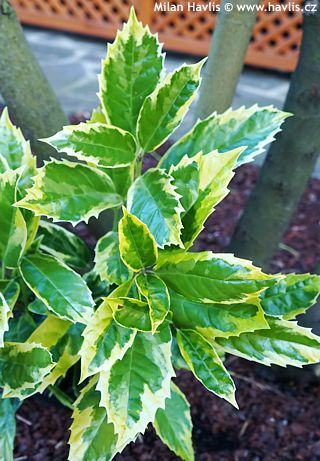
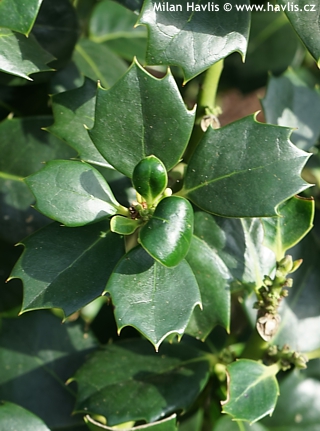
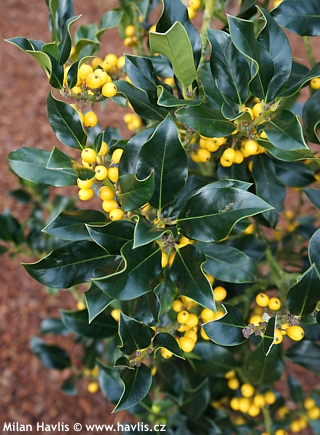
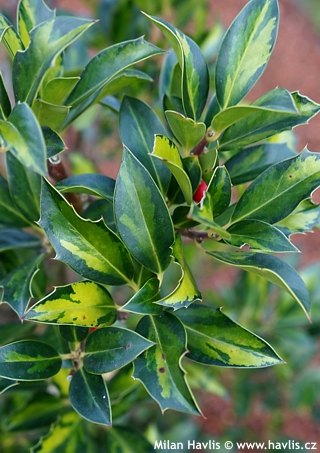
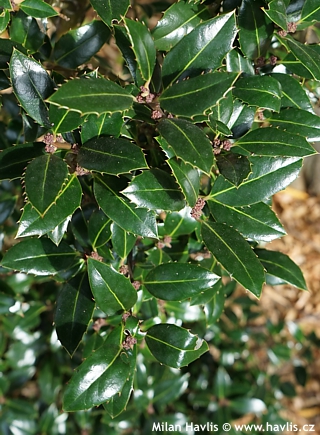
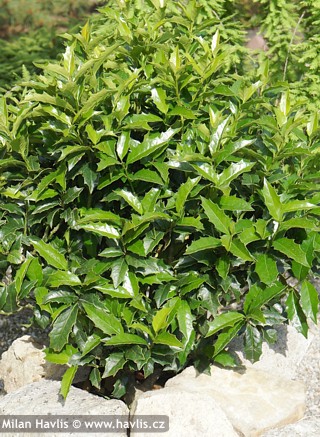
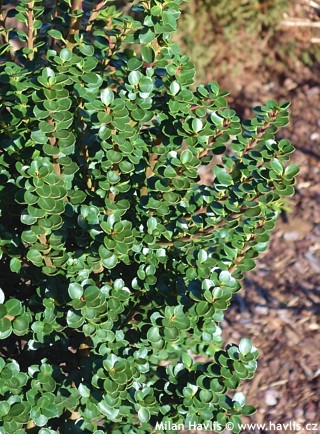
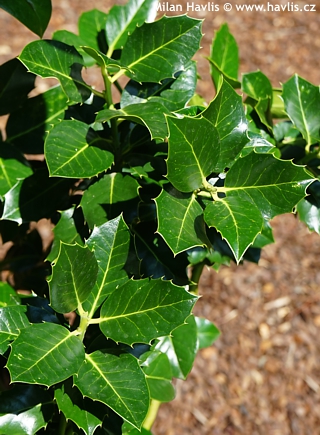
The Japanese holly Dwarf Pagoda is among the most striking dwarf forms ever bred. It originated in the USA thanks to Dr. Elwin Orton at Rutgers University in 1972 and has since earned a reputation as a collectors� gem. It grows extremely slowly, often only a few centimeters per year, forming a dense ...
0,5 - 1,2m
0,5 - 0,8m
full to partial sun
5b (down to -27�C)
for zone 5+6
for zone 7
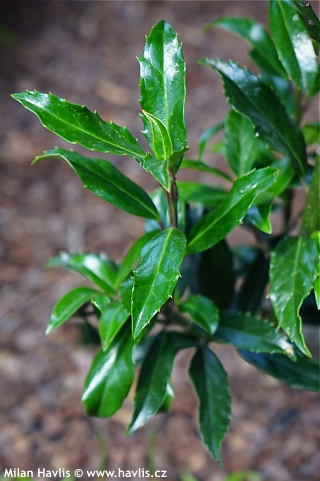
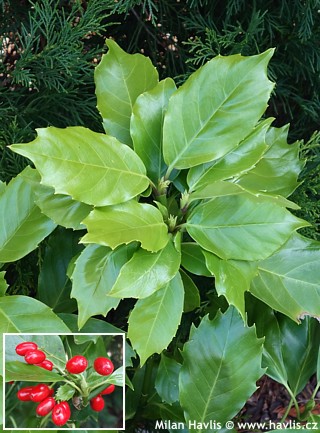
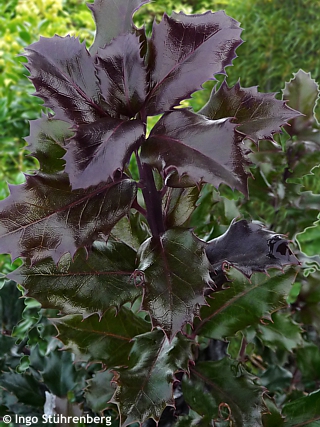
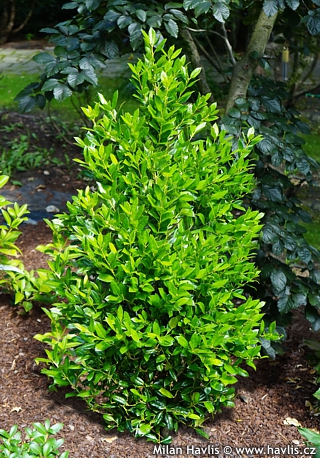
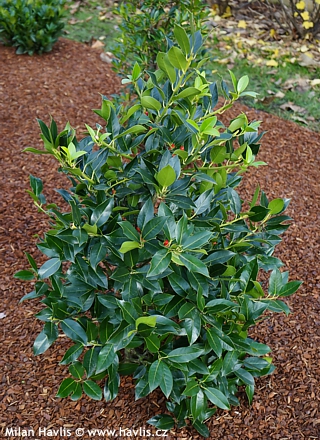
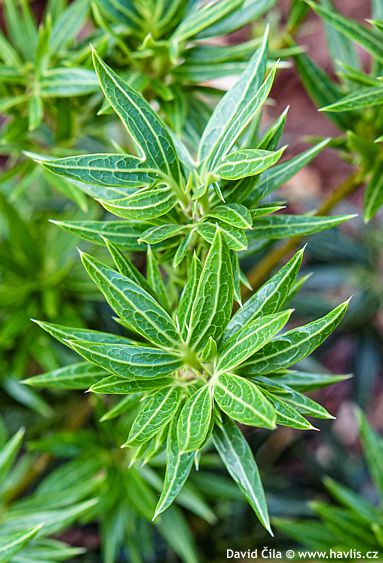
Little Stranger is a rare, compact growing blue holly variety from Germany. It is an upright, slow growing shrub with evergreen foliage. Leaves are very dark green, narrowly lance-shaped, almost spineless or just gently serrated at margins, and very glossy. As a male variety it has no fruit but is a ...
2 - 3m
1 - 1,5m
full to partial sun
5 (down to -29�C)
for zone 5+6
for zone 7
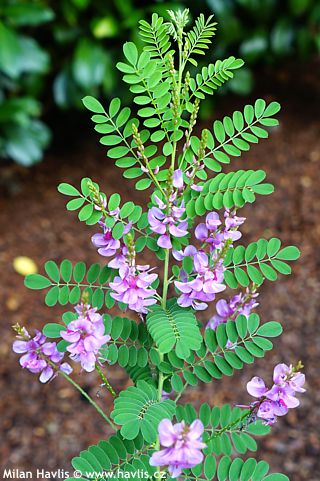
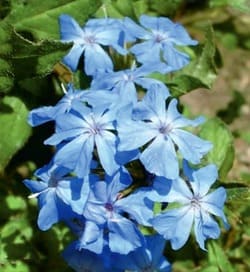
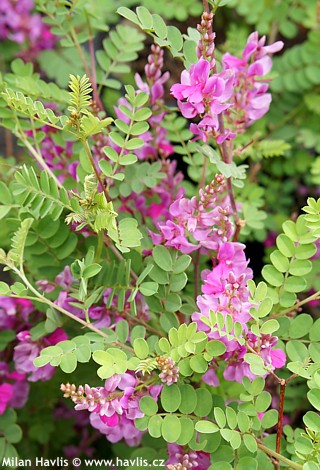
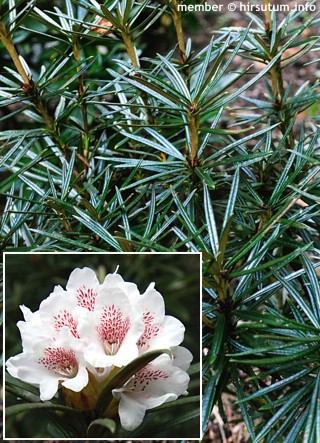
Western Himalayan indigo is a deciduous shrub native to the western Himalayas, where it grows on dry slopes and in open forests with full-day sunlight at elevations of 1500�3000 meters. It was first described in detail by Dietrich Brandis in 1874 in his botanical work Forest Flora of North-West and ...
VI - VIII
0,5 - 1,5m
0,5 - 1,5m
full sun
5 (down to -29�C)
for zone 5+6
for zone 7
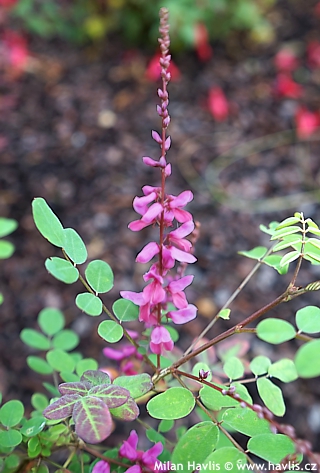
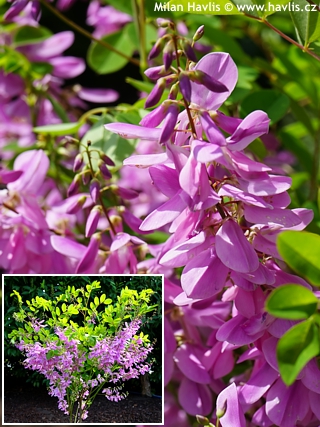
Reginald Cory is an award-winning indigo variety named after the man of the same name, Reginald Radcliffe Cory (1871-1934), who was one of the eight sponsors of an important collecting expedition to China between 1917-1920 and who, although an amateur gardener, helped build a significant garden comp ...
VI - IX
1,5 - 2m
1 - 1,5m
full sun
5 (down to -29�C)
for zone 5+6
for zone 7
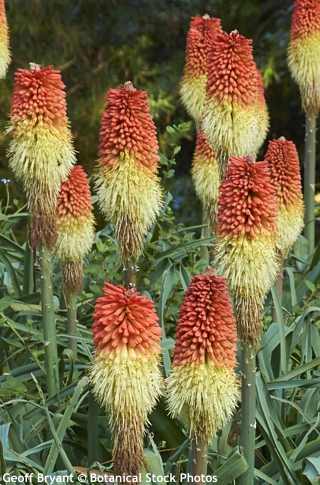
Kniphofia caulescens is an exceptional species that cannot be mistaken for anything else. Its stem is so thick that it has earned the nickname �the leek�, and it really does look as if it could be sliced into a soup (please don�t eat it 😊). It grows up to one metre tall, and at its tip, in m ...
VII
0,6 - 1m
0,4 - 0,6m
full sun
6 (down to -23�C)
for zone 5+6
for zone 7
.jpg)
At first glance, Adam's laburnum looks like an ordinary laburnum � an upright shrub or small tree with an open crown and smooth grey-green bark. But a closer look at the branches reveals that something is amiss. Some shoots bear the typical trifoliate leaves of laburnum, others have the smaller, ov ...
V - VI
3 - 5m
2 - 3m
full sun
5 (down to -29�C)
for zone 5+6
for zone 7
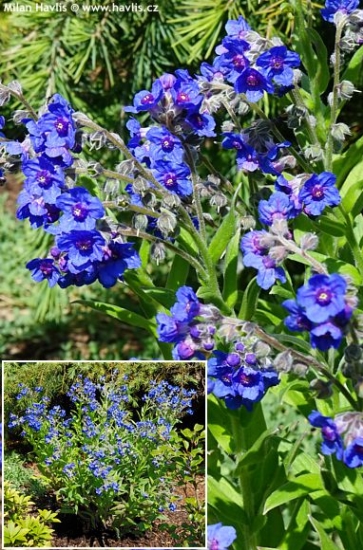
Lindelofia longiflora is a beautiful and distinctive perennial from subalpine to subarctic regions, yet ironically, it is not a rock garden plant. It bears long inflorescences called scorpioid cymes, similar to those found in forget-me-not or lungwort. Lindelofia�s flowers truly resemble a blend of ...
V - VII
0,4 - 0,6m
0,4 - 0,5m
full to partial sun
5 (down to -29�C)
for zone 5+6
for zone 7
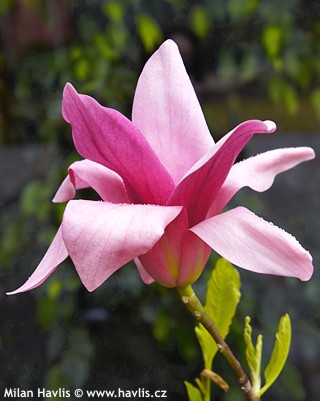
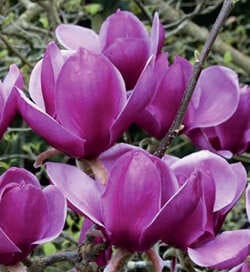
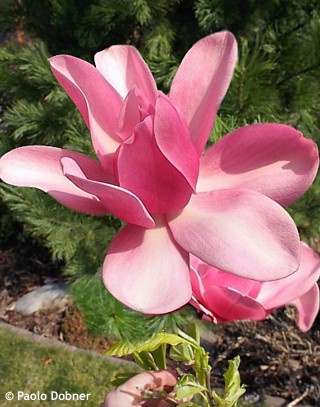
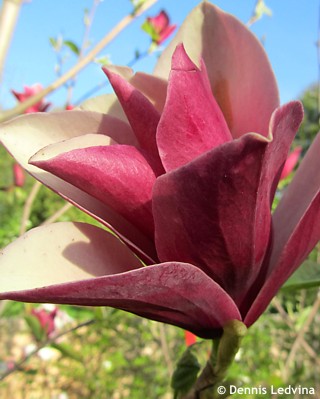
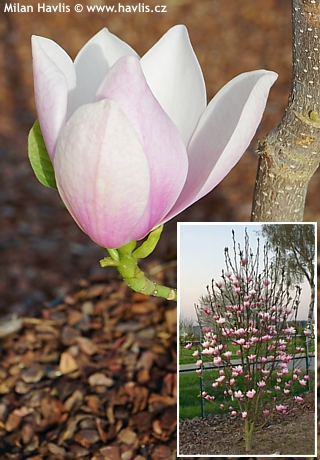
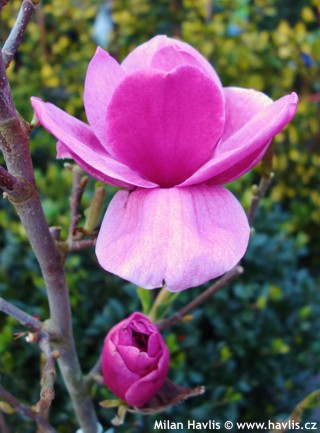
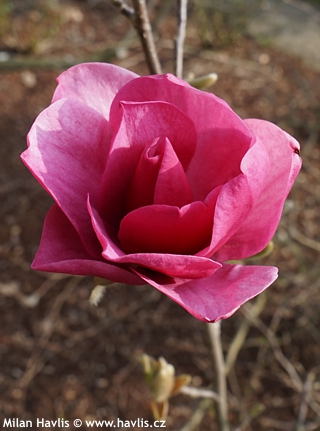
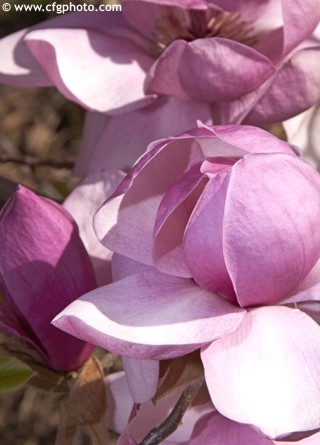
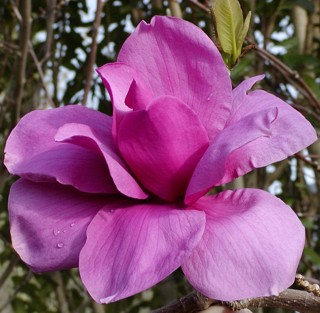
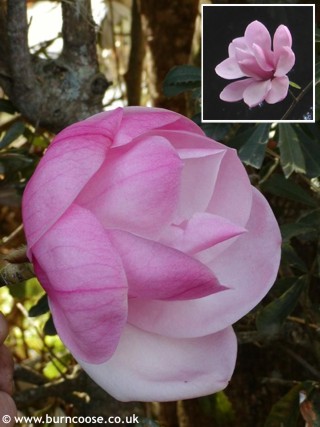
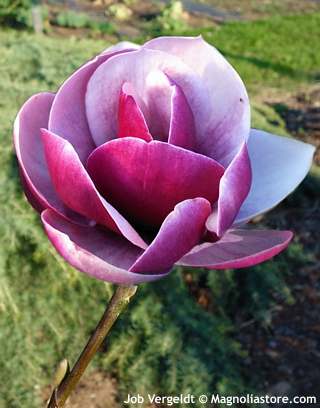
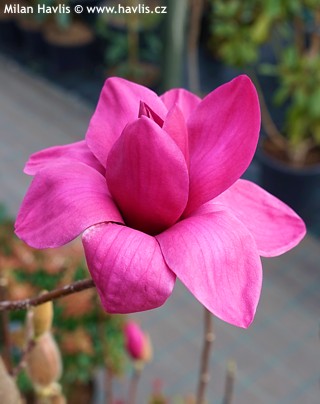
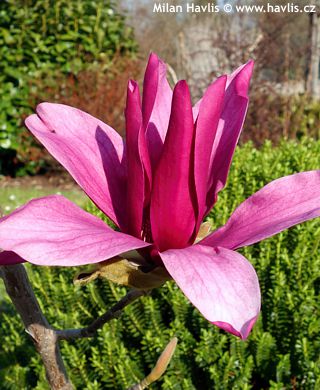
Daybreak magnolia has a unique shade of pink. The flower buds are slim and tall, rich pink but not garish. They show small, flame-like triangles of green colour at the bottom of their calyxes. The buds take quite some time looking precious for many days before they open wide into fascinating, soft p ...
IV - V
3 - 5m
1,5 - 2m
full to partial sun
5 (down to -29�C)
for zone 5+6
for zone 7
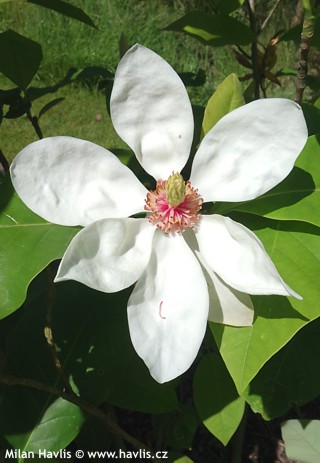
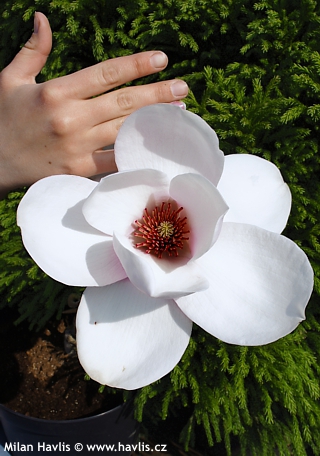
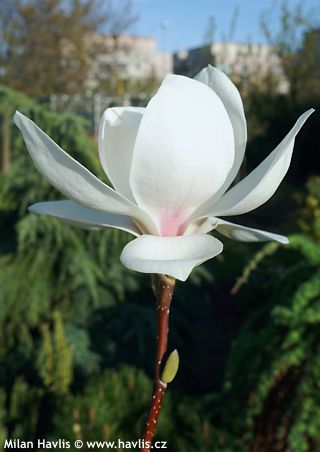
Among deciduous magnolias there are varieties that bloom later than most of the Asian ones. This selection named Charles Coates originated in England in Kew, famous for its Kew Gardens, by crossing m.sieboldii and m.tripetala.It makes leaves first, and only at the end of spring it shows a magnificen ...
V - VI
3 - 5m
1,5 - 2,5m
full to partial sun
5b (down to -27�C)
for zone 5+6
for zone 7
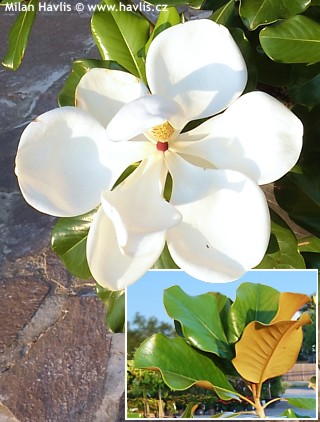
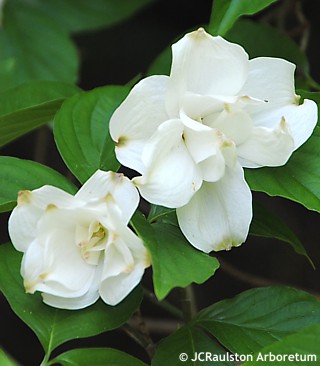
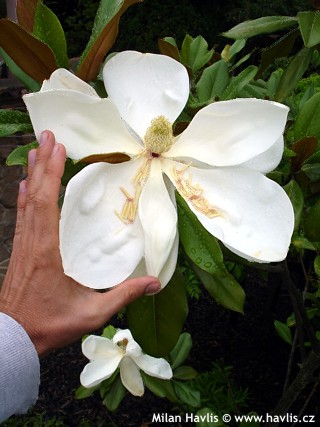
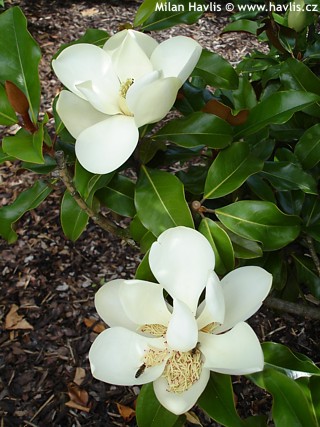
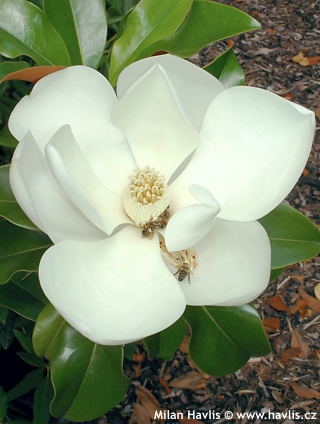
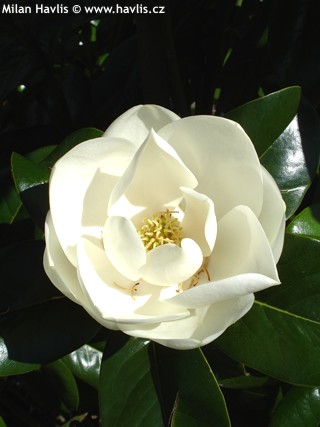
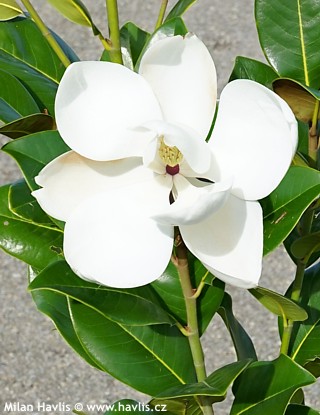
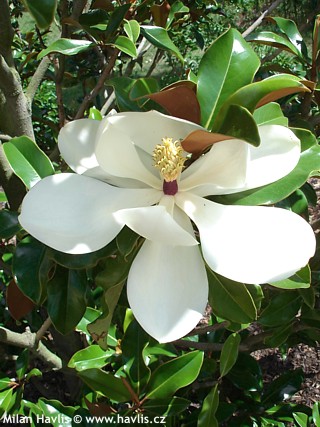
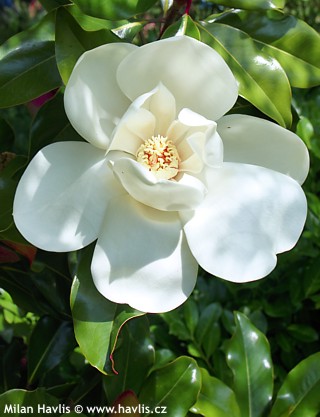
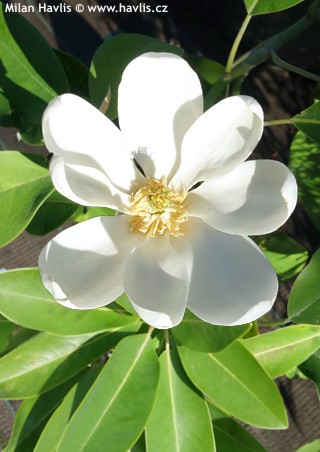
Southern magnolia Mont Blanc� produces the largest flowers ever measured: 25-40 cm across on older plants. They are creamy white and highly fragrant. Their scent attracts not only bees and other insects, but also most perfume producers and all passersby, especially in late afternoon and early evenin ...
VI - IX
4 - 8m
3 - 5m
full sun
6 (down to -23�C)
for zone 5+6
for zone 7
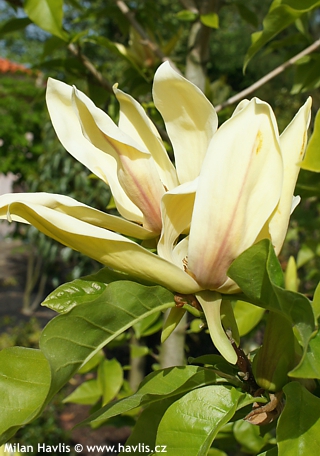
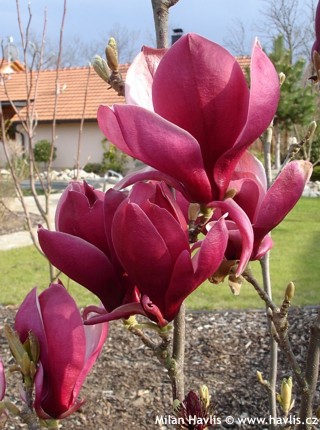
Hattie Carthan magnolia was bred by Doris Stone from the Brooklyn Botanic Garden by cross-pollinating several unnamed m. x brooklynensis hybrids (m.acuminata x magnolia x liliiflora) and �Evamaria� variety. The result was a stunning magnolia with firm flowers of elongated tepals. They are 10-12 cm l ...
IV - V
4 - 7m
1,5 - 3m
full to partial sun
5 (down to -29�C)
for zone 5+6
for zone 7
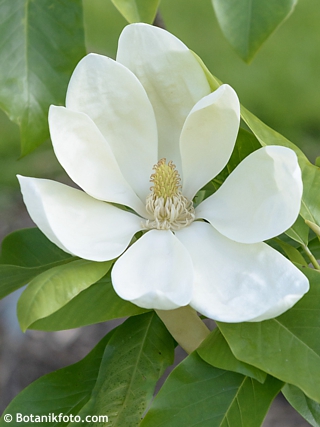
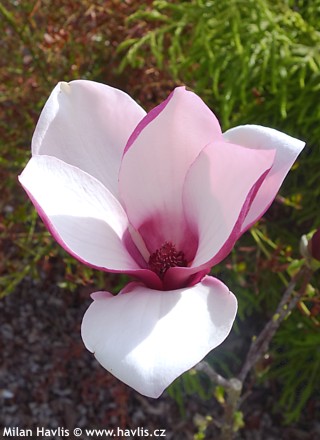
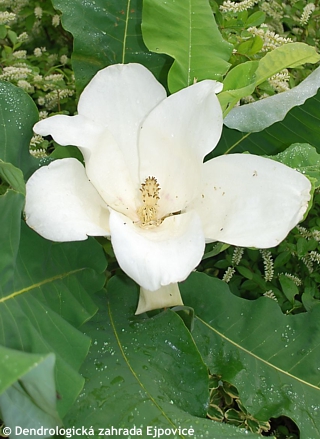
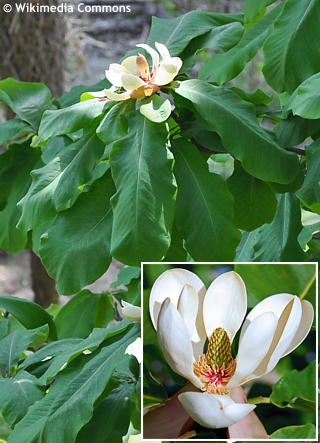
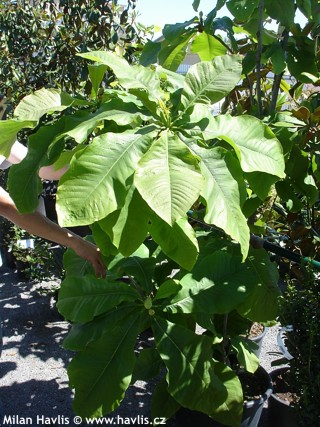
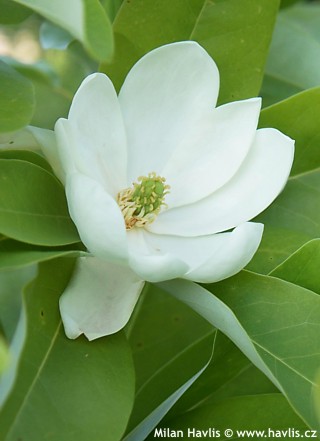
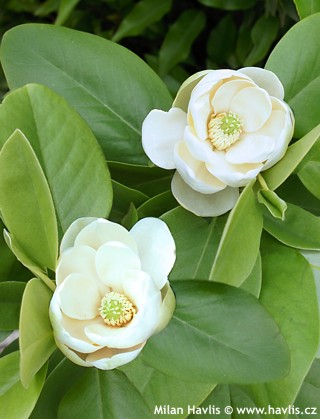
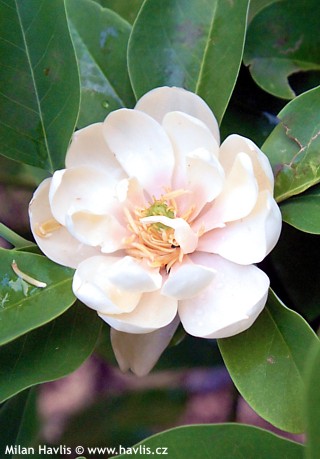
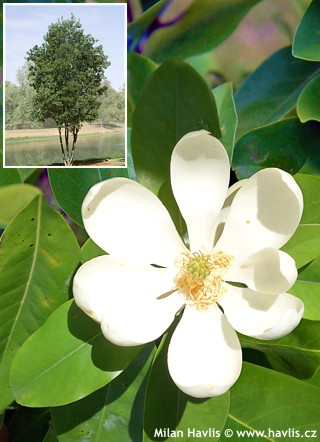
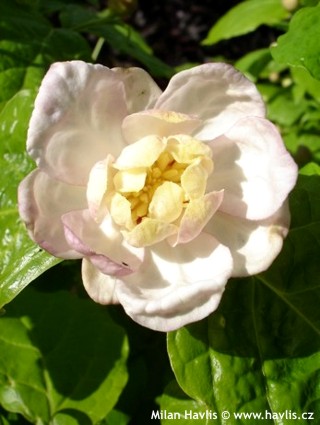
Thompson magnolia boasts large, creamy white, very fragrant flowers which come out from June until July on a fully leafed out plant. The flowers are up to 15 cm across and the fragrance is deep and sweet. Deciduous leaves are broadly ovate to obovate, 15-25 cm long, fresh green above and glaucous be ...
VI - VII
3 - 5m
2 - 3m
full sun
6 (down to -23�C)
for zone 5+6
for zone 7
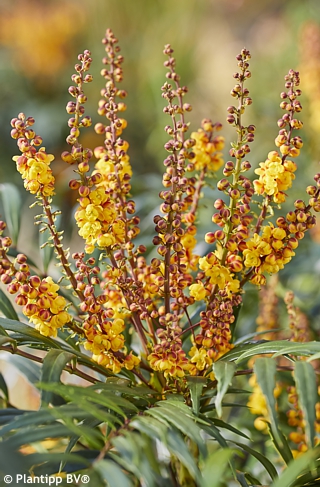
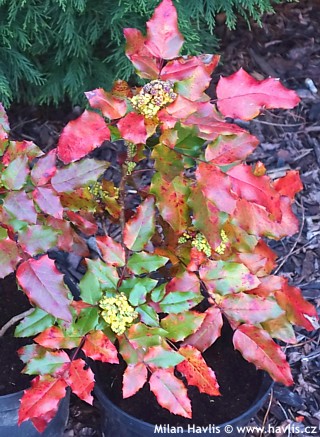
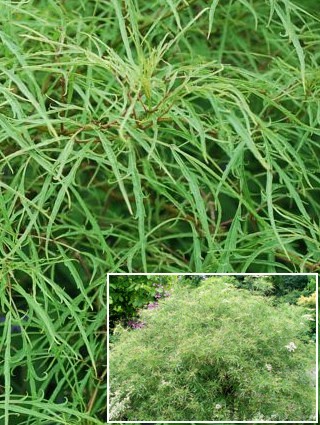
Japanese breeder Seiju Yamaguchi from Mizunami-shi in Prefecture Gigu has been working with mahonias for some time now. In 2023, he comes with a completely unique product – a hybrid of threadleaf mahonia which is the world's first registered variety with golden yellow flowers and orange buds. ...
X - XI
0,5 - 1m
0,5 - 1m
semi-shade / partial sun
7 (down to -18�C)
for zone 5+6
for zone 7
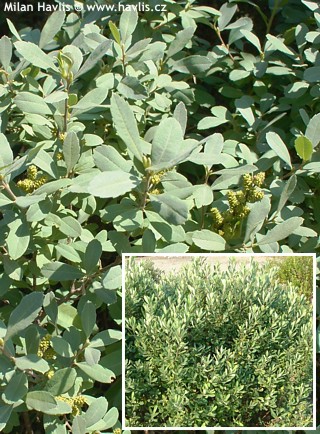
Bog myrtle is a deciduous shrub found in moist and constantly waterlooged areas all around Northern Hemisphere. It makes small, inversely lance-shaped or narrowly obovate, dark green to slightly blue-green leaves, and fragrant flowers from mid spring. The flowers are yellow green to golden yellow, e ...
V - V
1 - 1,8m
1 - 1,8m
full sun
1 (down to -46�C)
for zone 5+6
for zone 7
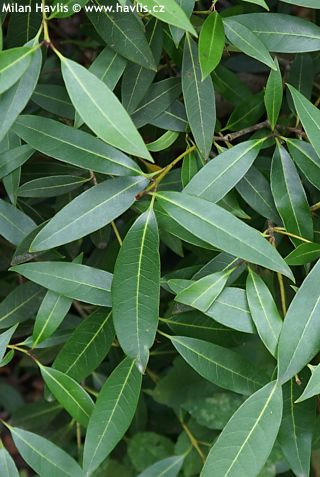
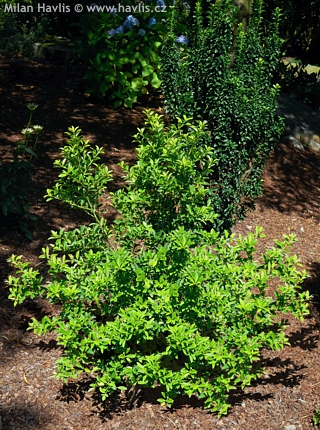
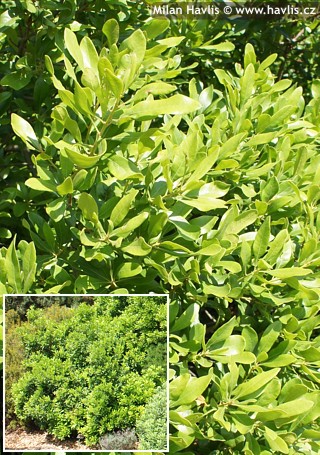
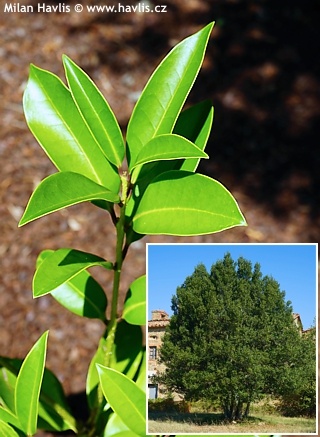
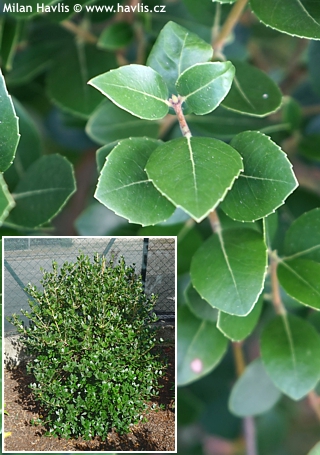
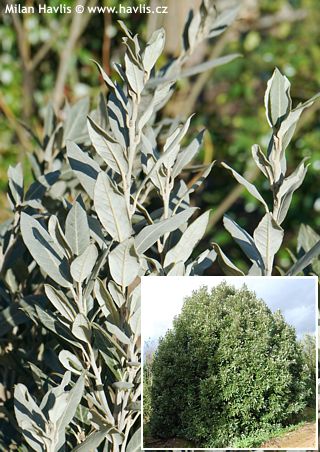
Turkey olive comes from Asia Minor where it was first found in the region of Lazistan (Turkey and partly Georgia) at the Black Sea coast. It is a warm and humid subtropical climate without winter frosts, but with enough precipitation during autumn and winter, i.e., large-leaved evergreen trees thriv ...
IV - V
2 - 4m
2 - 3m
full to partial sun
6b (down to -21�C)
for zone 5+6
for zone 7
.jpg)
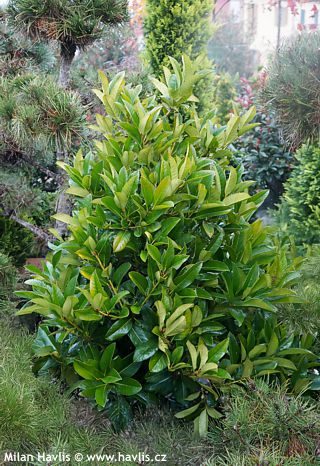
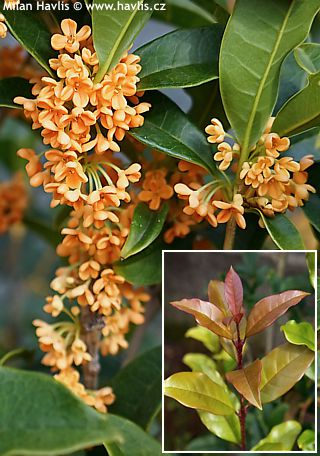
Saw-toothed sweet olive is one of the most fragrant members of its genus � its small, white flowers can fill the mountain air of western China with a sweet, jasmine-like scent that travels far beyond its modest appearance. This species originates from Sichuan province, where it grows at elevations a ...
IX - X
1,5 - 3m
1,5 - 3m
full to partial sun
7 (down to -18�C)
for zone 5+6
for zone 7
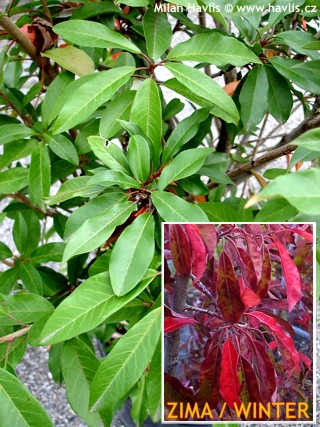
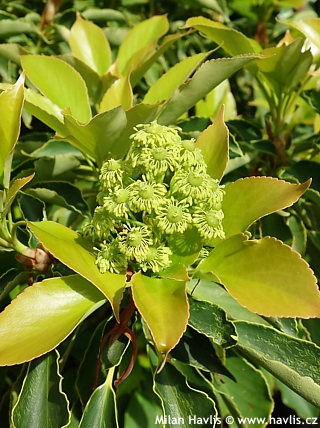
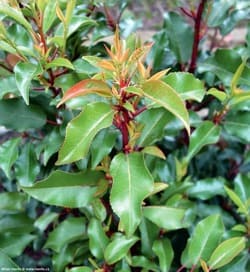
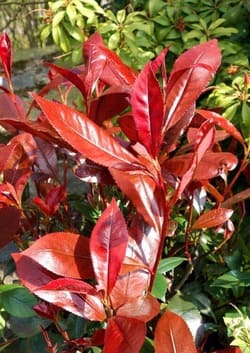
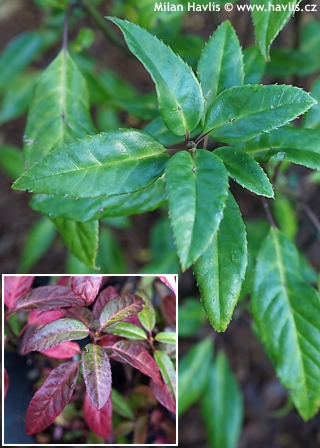
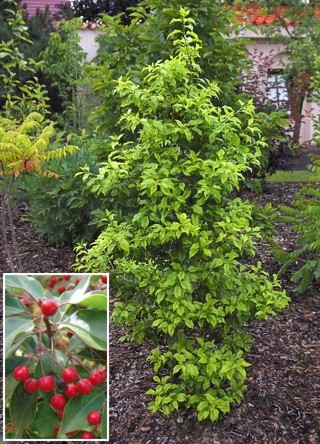
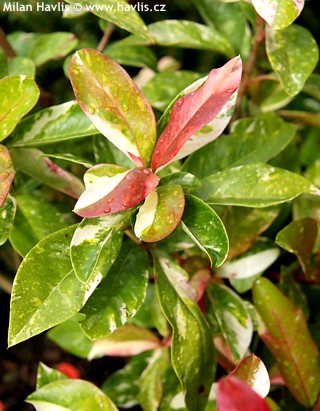
David's photinia / Chinese stranvaeasia is an evergreen shrub whose close relative is a garden hybrid photinia Red Robin. It comes from China and Vietnam and has better cold resistance and narrower leaves. They are deep green and glossy but emerge dark burgundy red in the spring. Before autumn some ...
V - VI
1,5 - 4m
1,5 - 3m
full sun
5b (down to -27�C)
for zone 5+6
for zone 7
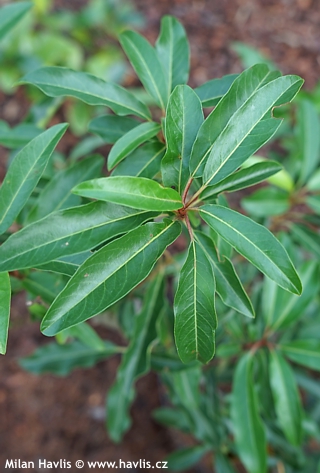
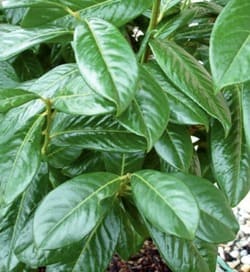
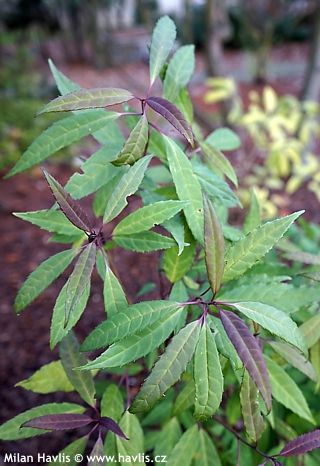
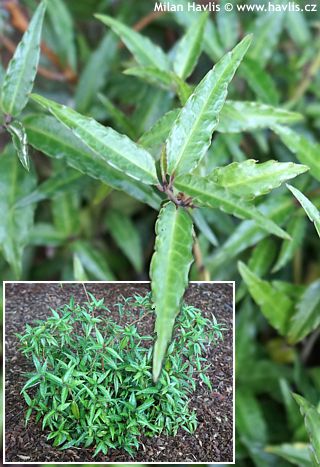
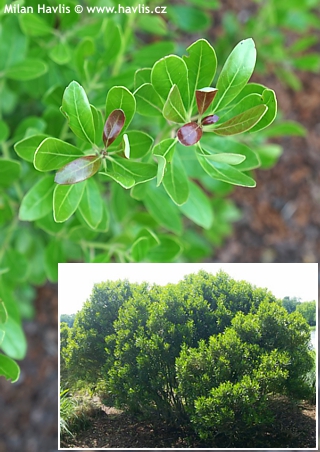
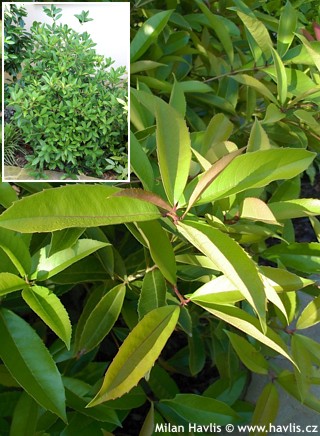
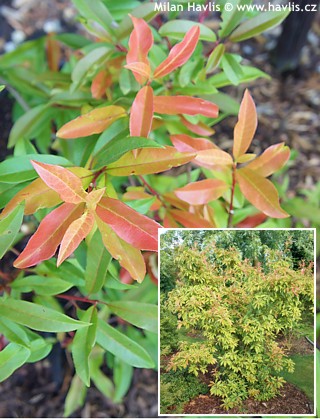
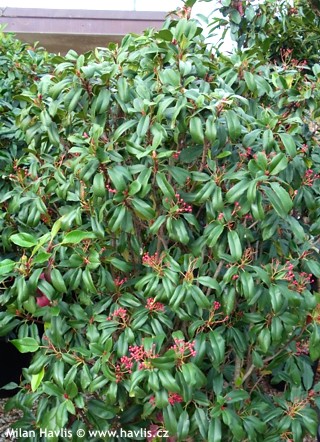
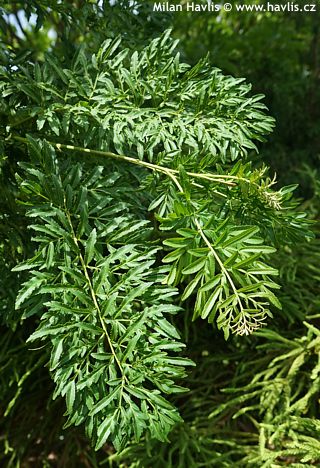
Taiwanese photinia is renowned for notably narrower leaves as opposed to Chinese photinia. Those are deep green, narrowly lance-shaped, and glossy. They emerge coppery red in spring, and in autumn many of older leaves turn scarlet red or light maroon, some plants may gain these shades all over.
It ...
VI
1,5 - 4m
1,5 - 4m
full to partial sun
6 (down to -23�C)
for zone 5+6
for zone 7
.jpg)
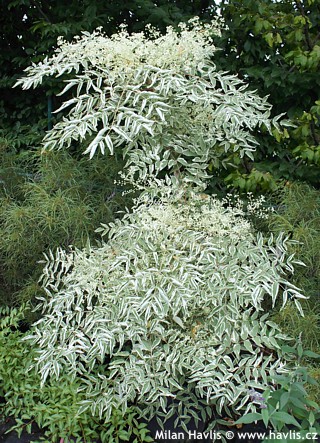
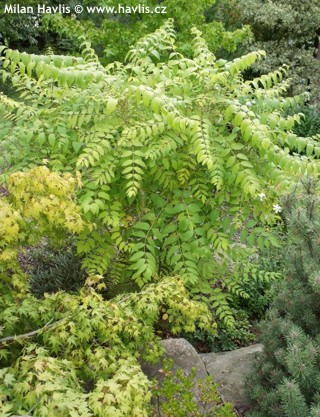
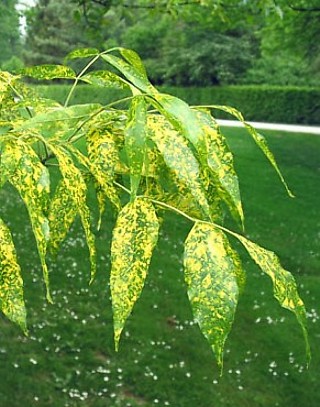
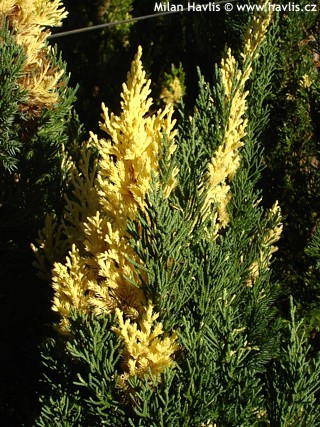
Variegata is a collective name for variegated forms of Portuguese laurel, and it must be acknowledged that, although they remain relatively scarce, they are more than precious collectibles. Their principal ornamental feature lies in the evergreen, leathery leaves with creamy to whitish variegation, ...
V - VI
2 - 4m
2 - 3m
full to partial sun
6 (down to -23�C)
for zone 5+6
for zone 7
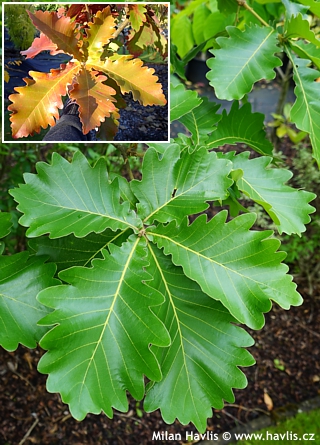
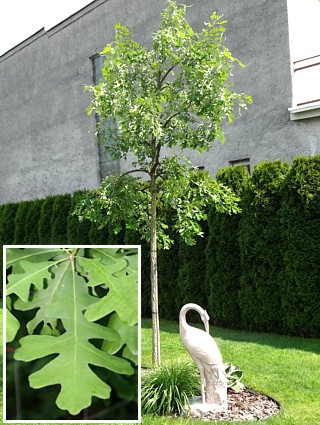
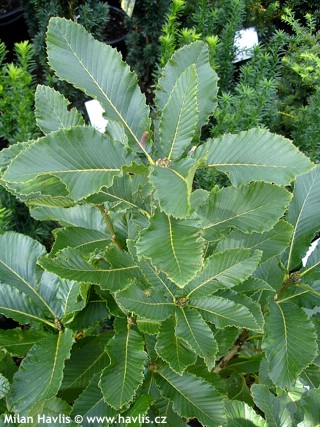
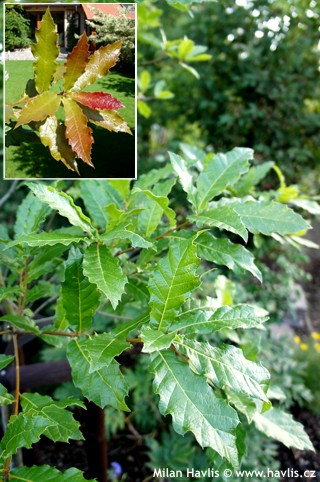
Leaves of this rare daimyo oak are extra large and can reach up to 30 cm in length on adult trees. They are glossy, have rounded lobes, and are almost leathery, just like leaves on evergreen plants. This one, however, is deciduous but still it keeps its old foliage late into winter. The leaves are a ...
6 - 12m
2 - 6m
full sun
3 (down to -40�C)
for zone 5+6
for zone 7
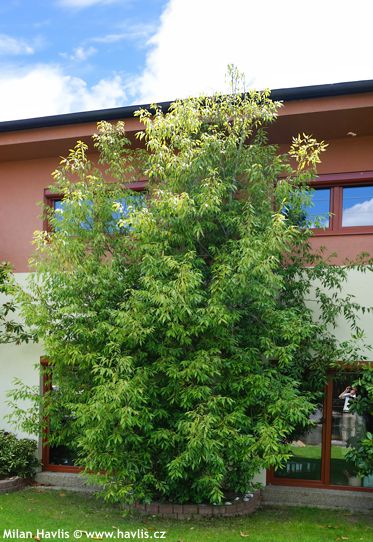
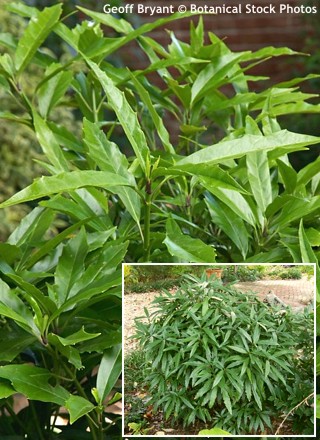
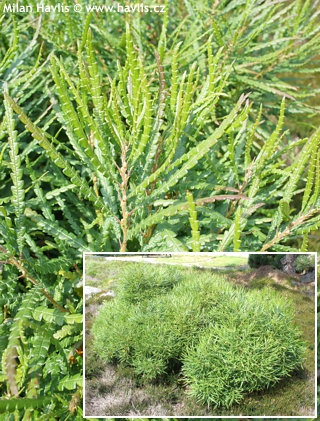
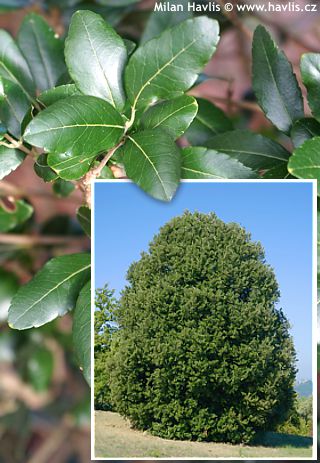
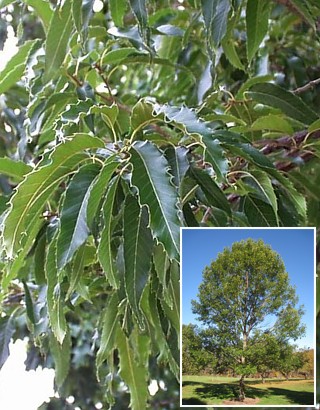
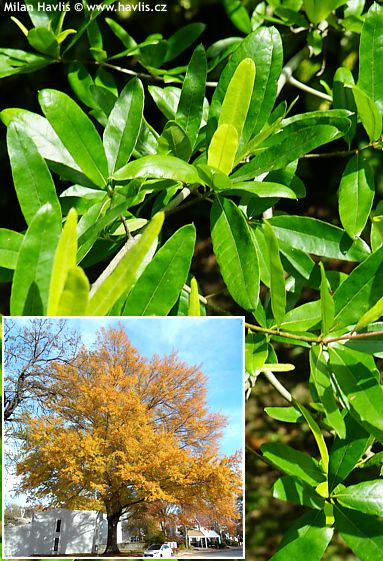
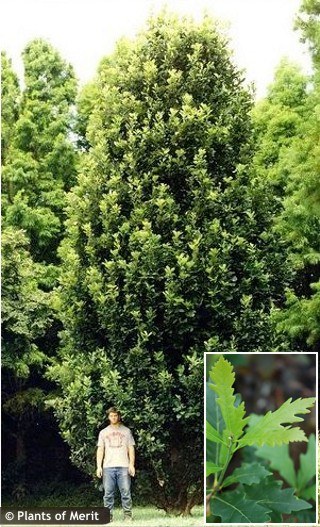
The bamboo-leaf oak is a small to medium-sized evergreen tree whose leaves resemble those of bamboo. They are narrow, elongated to lanceolate, with finely serrated edges or almost entire. New foliage emerges in attractive shades that vary from seedling to seedling and may be bronze, salmon, red, or ...
5 - 12m
4 - 6m
full sun
6 (down to -23�C)
for zone 5+6
for zone 7
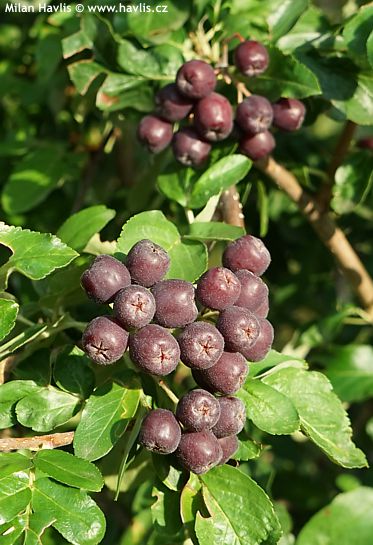
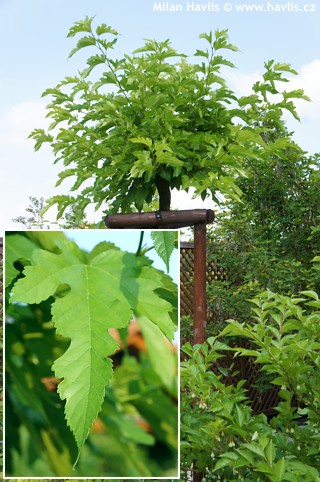
Burka is a unique hybrid rowan, growing to a height of around 3�5 meters, making it ideal for smaller gardens. Its habit is compact, with a naturally shaped, dense crown. Flowers appear from April to May, white and arranged in corymbs, attracting pollinators with their gentle fragrance. But the real ...
V - VI
3 - 5m
3 - 4m
full to partial sun
4 (down to -34�C)
for zone 5+6
for zone 7
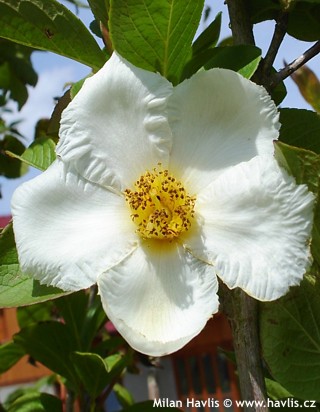
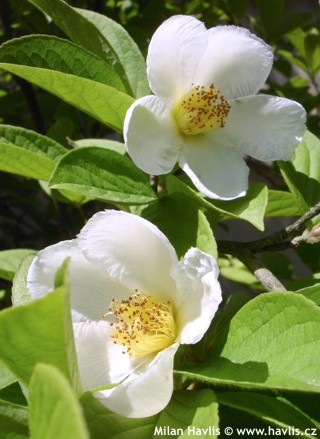
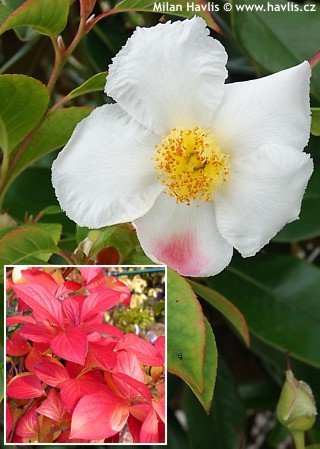
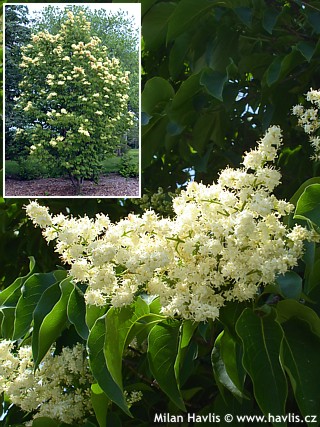
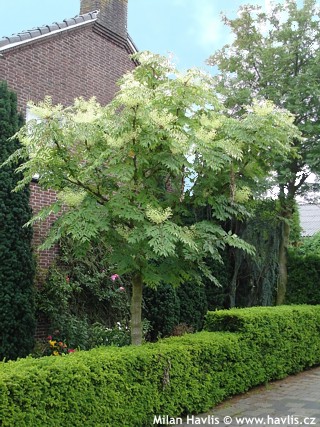
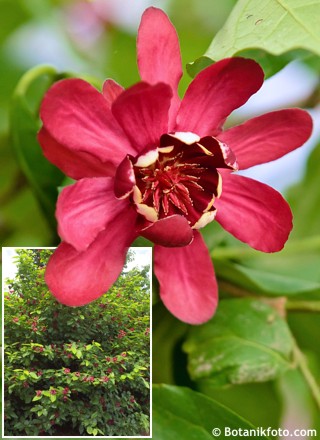
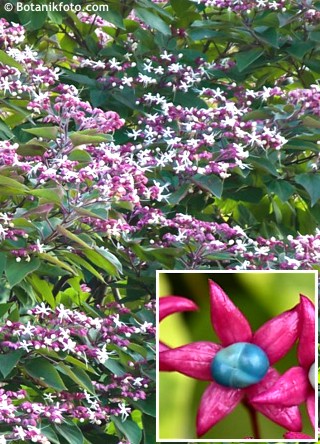
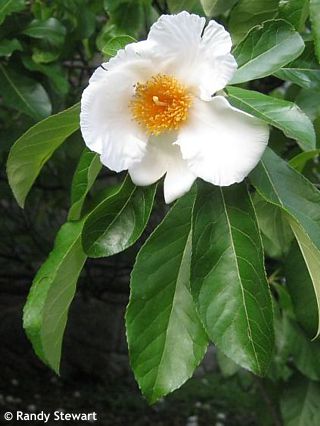
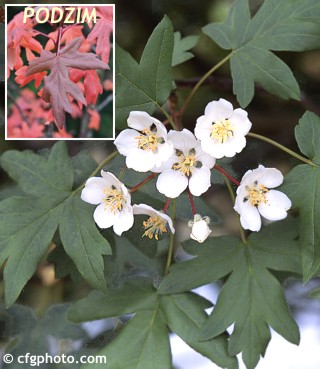
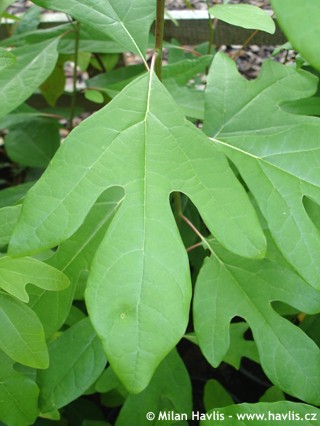
It is our utmost pleasure to offer this summer-blooming beauty: false camellia. It comes from moist woodlands of North America and eastern Asia (Japan, China, Vietnam, Nepal). It belongs to the same genus theaceae like camellia and tea.
Its main attraction are the flowers. They are 6-7 cm wide, pu ...
VI - VIII
4 - 6m
1 - 3m
full to partial sun
5 (down to -29�C)
for zone 5+6
for zone 7
.jpg)
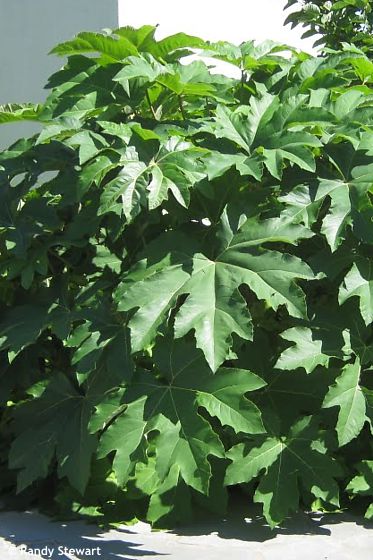
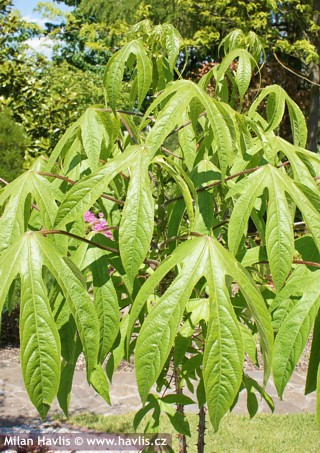
Rex is a fast-growing cultivar of the rice-paper plant with enormous and strikingly exotic leaves. Depending on the climate zone, it can grow as a deciduous shrub or semi-woody perennial up to 2�2.5 meters tall in Central Europe, or as a small evergreen tree reaching up to 5 meters in subtropical re ...
1 - 2m
1 - 2m
full to partial sun
6 (down to -23�C)
for zone 5+6
for zone 7
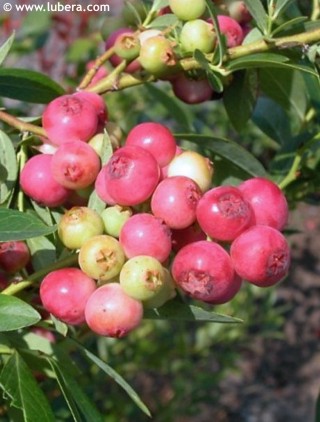
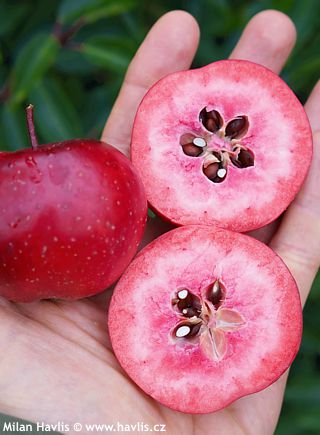
Pink blueberries, now commonly called Pinkberry® are a modern attraction of early 2000's. The first plant was achieved by American breeder Mark Ehlenfeldt from Agricultural Research Service (ARS), who in 1991 crossed rabbiteye blueberry whose immature fruit is pink, and usual highbush blueberry ...
IV - V
1 - 1,5m
1 - 1,3m
full sun
6 (down to -23�C)
for zone 5+6
for zone 7
.jpg)
.jpg)
.jpg)
.jpg)
.jpg)
.jpg)
.jpg)
.jpg)